
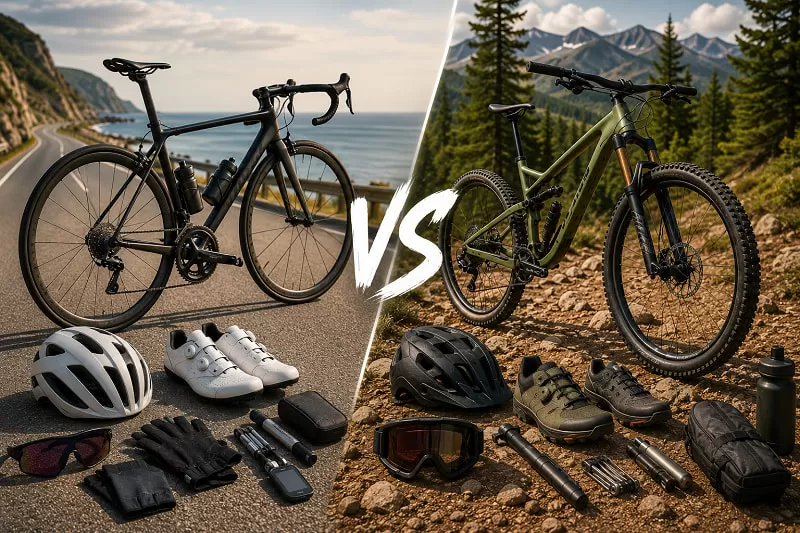
Road cycling and mountain biking require fundamentally different gear setups. Road bike equipment prioritizes aerodynamics, lightweight performance, and efficiency, while mountain bike gear is designed for durability, protection, and control on rough terrain. If you choose the wrong setup, you’ll either sacrifice speed on the road or safety on the trail.
Below is a practical, industry-level breakdown of what you actually need—without the fluff.
Road Bike Gear → Speed, efficiency, long-distance comfort
Mountain Bike Gear → Impact resistance, grip, and terrain adaptability
Think of it this way: road cyclists fight wind resistance; mountain bikers fight the terrain.
Road Bike Helmets
Lightweight with large ventilation channels
Aerodynamic shell design
Minimal coverage (focus on airflow)
Mountain Bike Helmets
Extended rear coverage for impact protection
Visor for sun, mud, and debris
Often paired with goggles (especially downhill/enduro)
If you’re riding trails, a road helmet simply doesn’t provide enough protection.
Road Cycling Apparel
Tight-fitting jerseys to reduce drag
Bib shorts with high-density padding for long rides
Moisture-wicking, lightweight fabrics
Mountain Bike Apparel
Loose-fit jerseys and shorts for mobility
Reinforced fabrics (abrasion-resistant)
Often includes padding or armor inserts
Road riders optimize efficiency; MTB riders prepare for crashes.
Road Cycling Shoes
Stiff soles for maximum power transfer
Smooth outsole (not designed for walking)
Typically paired with clipless road pedals (SPD-SL, Look)
Mountain Bike Shoes
Grippy rubber soles for hiking sections
More flexible for off-bike movement
Compatible with SPD pedals or flat pedals
If your ride includes walking, road shoes become a liability.
Road Gloves: Lightweight, padded palms for vibration reduction
MTB Gloves: Full-finger, reinforced knuckles, better grip control
Road Cycling: Lightweight sunglasses for UV and wind protection
Mountain Biking: Goggles or impact-resistant glasses for debris
Yes—and this is where many buyers make costly mistakes.
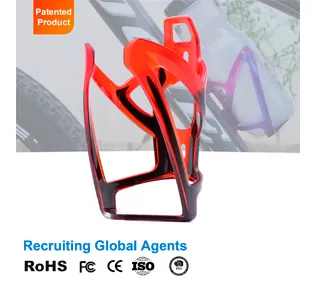
Lightweight bottle cages
GPS cycling computer (performance tracking)
Saddle bag (minimalist repair kit)
Hydration packs (hands-free drinking)
Tool kits for on-trail repairs
Dropper seatpost (for terrain adaptability)
Road accessories focus on efficiency, MTB accessories focus on self-sufficiency.
Some equipment overlaps, especially for riders who switch disciplines:
Cycling gloves (depending on type)
Base layers and thermal wear
Lights and reflectors
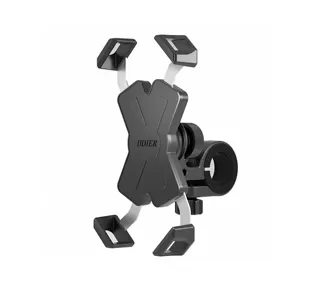
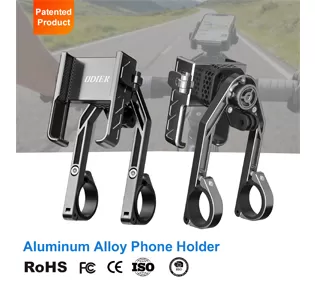
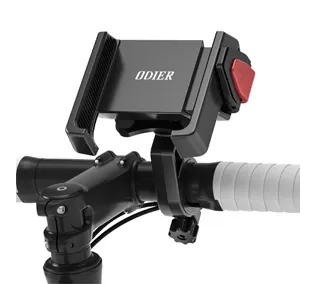
Bike phone mounts (if compatible with handlebar type)
However, trying to use a fully shared setup usually leads to compromises in performance or safety. For example, a road jersey won’t survive repeated trail abrasion, and MTB gloves may feel bulky during long-distance road rides.
The answer depends on your riding goal—not your budget.
Road helmet (lightweight, ventilated)
Bib shorts + fitted jersey
Road cycling shoes + clipless pedals
Compact repair kit (tube, CO₂, tire levers)
This setup is enough for endurance rides and performance-focused cycling.
MTB helmet (extended coverage)
Gloves (full-finger recommended)
Durable shorts + jersey
Flat pedals or SPD system
Basic trail repair kit
Protection and control matter more than weight savings here.
Not always—but in certain categories, it makes a measurable difference.
Helmet: Better safety certifications and impact absorption
Shoes: Improved power transfer and comfort
Bib shorts: Higher-quality padding reduces fatigue on long rides
Jerseys (entry-level fabrics perform well enough)
Accessories like bottle cages or basic lights
Smart buyers invest in contact points (helmet, shoes, saddle gear), not just aesthetics.
Instead of asking “road or mountain,” ask:
Where do you ride most often?
Pavement → road gear
Trails → MTB gear
What’s your riding intensity?
Long-distance → prioritize comfort
Technical trails → prioritize protection
Do you switch between both?
Consider hybrid-compatible gear (e.g., SPD pedals, versatile clothing)
Your environment should dictate your gear—not trends.
Leads to poor protection and faster wear.
High-end doesn’t always mean better for beginners.
Incorrect shoe-pedal systems or helmet sizing reduces performance and safety.
Cheap gear often fails under stress—especially in MTB conditions.
When sourcing cycling equipment for sale, focus on suppliers that offer:
Clear product specifications (materials, certifications, compatibility)
Consistent quality control across product lines
Options for both OEM and retail-level customization
Reliable shipping and after-sales support
For distributors and retailers, working with an experienced manufacturer like Odiersports ensures access to a wide range of road and mountain bike gear designed for different market segments.
You can, but it’s not recommended. Road gear lacks durability and protection for off-road conditions, increasing the risk of damage and injury.
The helmet. It’s the only piece of gear that directly impacts rider safety in all conditions.
No. Start with essential safety and comfort items, then upgrade based on riding frequency and terrain.
They work, especially SPD systems, but they sacrifice some efficiency compared to dedicated road shoes.
Helmets: every 3–5 years or after impact
Shoes: when sole stiffness or fit degrades
Apparel: when padding or fabric performance declines
Choosing between road bike and mountain bike gear isn’t about preference—it’s about matching equipment to riding conditions. Road cycling demands efficiency and speed, while mountain biking requires durability and protection. The right gear not only improves performance but also reduces fatigue and risk over time.
If you're building a product line or sourcing inventory, aligning your offering with these real-world use cases will significantly improve both customer satisfaction and conversion rates.
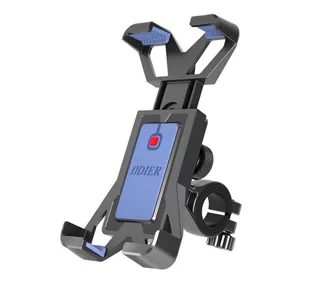
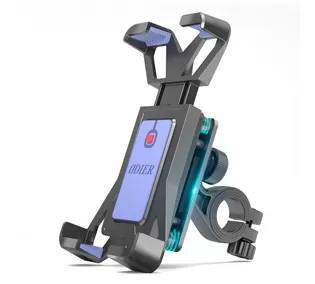
.webp "Magnetic Quick Release Bike Phone Holder")