
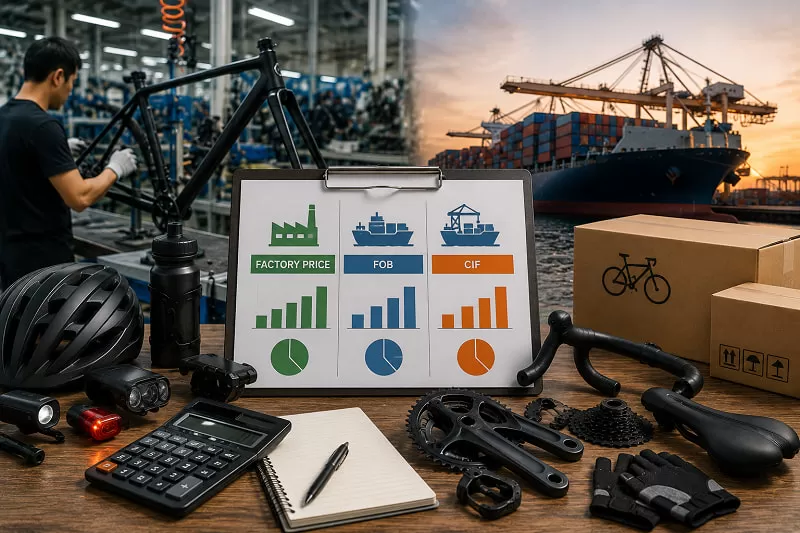
Understanding cycling equipment pricing in international sourcing is not simply about comparing quotations—it is about understanding what is actually included in the price.
Many buyers compare supplier offers without realizing that one quotation may reflect factory pricing, while another includes FOB (Free on Board) or CIF (Cost, Insurance, and Freight) terms. The result is often inaccurate budgeting, unexpected logistics costs, or shipment delays.
For distributors, importers, private-label brands, and wholesalers sourcing cycling accessories from cycling equipment manufacturers in China or other export markets, understanding the difference between factory price, FOB, and CIF can significantly improve procurement decisions and cost control.
This guide explains how pricing structures work in 2026, what costs are included, which shipping term may suit different buyers, and how to avoid common sourcing mistakes when purchasing cycling equipment.
| Pricing Type | Factory Price | FOB | CIF |
Product Manufacturing Cost | Included | Included | Included |
Export Packaging | Sometimes | Included | Included |
Inland Transportation to Port | No | Included | Included |
Export Customs Clearance | No | Included | Included |
Ocean Freight | No | No | Included |
Marine Insurance | No | No | Included |
Buyer Shipping Responsibility | High | Moderate | Lower |
Cost Transparency | Highest | Good | Lower |
Although CIF may initially look simpler, it is not always the cheapest or most flexible option.
Factory price (sometimes called EXW — Ex Works) represents the base manufacturing cost only.
The supplier provides the finished goods at the factory, and the buyer handles almost everything else.
Typically, factory pricing includes:
Product manufacturing
Basic packaging
Internal factory handling
However, it usually excludes:
Trucking to port
Export clearance
Shipping arrangements
Freight insurance
Import customs procedures
Imagine sourcing:
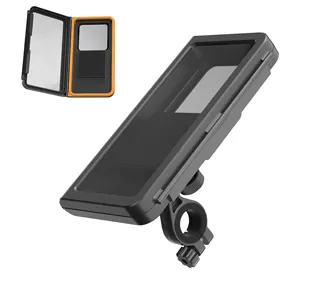
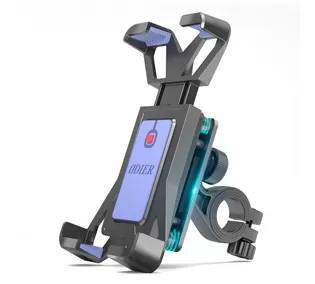
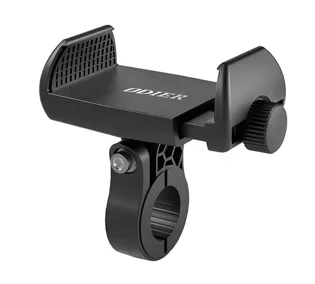
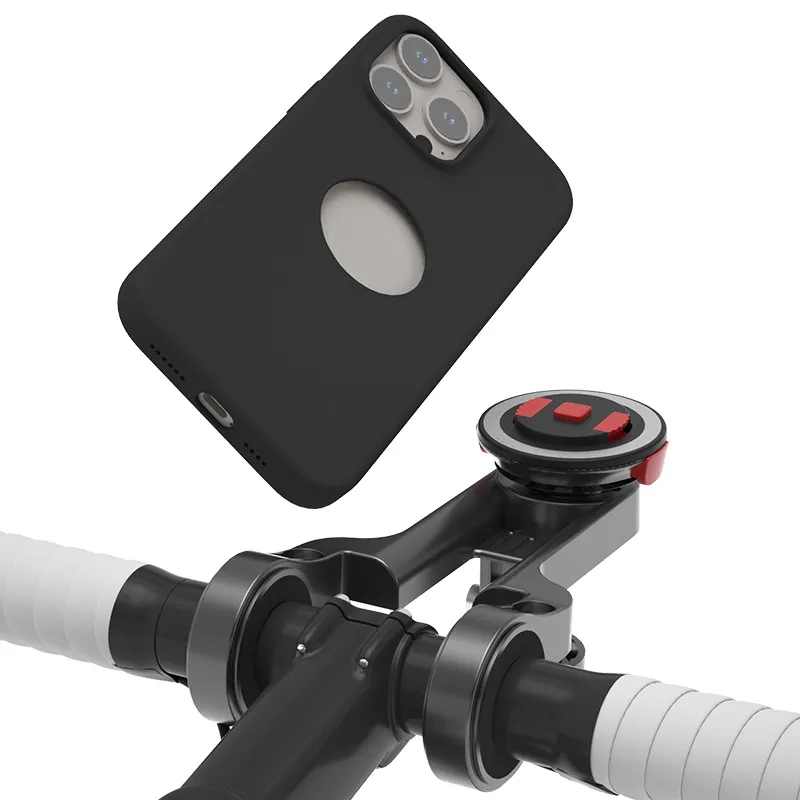
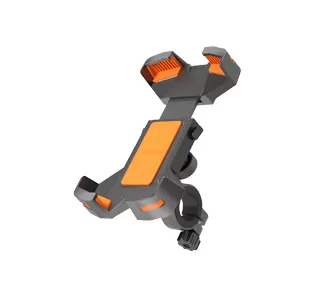
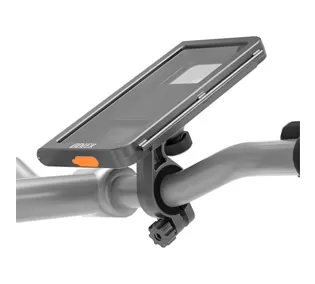
Bike phone mounts
Bicycle bottle cages
Cycling bags
Bike mirrors
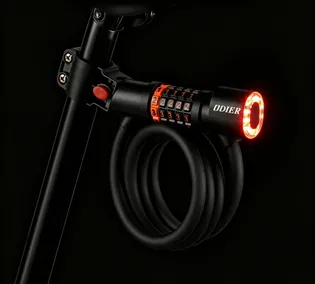
Bike lights
A factory quotation of $3.20/unit EXW means the goods are only available at the manufacturer’s warehouse.
The buyer or freight forwarder must arrange:
Pickup from factory
Inland transportation
Export customs filing
Port handling
Ocean or air freight
Destination import clearance
Factory pricing works best for:
Experienced importers
Buyers with established freight partners
Companies consolidating shipments from multiple suppliers
Businesses seeking maximum logistics control
Pros
Maximum pricing transparency
Greater freight flexibility
Easier supplier cost comparison
Potentially lower total landed cost
Cons
More operational complexity
Higher coordination requirements
Greater logistics responsibility
For new buyers, factory pricing can sometimes create hidden complications.
FOB (Free on Board) is one of the most widely used international trade terms for cycling equipment sourcing.
Under FOB pricing, the supplier is responsible for delivering goods to the export port and completing export procedures.
The buyer becomes responsible once the shipment is loaded onto the vessel.
FOB pricing generally covers:
Product manufacturing
Packaging
Inland transport to port
Export documentation
Export customs clearance
Port handling charges
The buyer pays for:
Ocean freight
Marine insurance
Import duties
Customs clearance at destination
Local delivery
A supplier may quote:
$4.10/unit FOB Ningbo
This means the shipment is delivered onboard at Ningbo Port.
From that point, the buyer controls shipping arrangements.
FOB offers a balance between:
Supplier responsibility
Buyer shipping flexibility
Cost visibility
It is especially useful for buyers importing:
Bicycle accessories
Cycling bags
Bike-mounted electronics
Sports equipment
OEM/ODM cycling products
Pros
Easier supplier management
Better shipment visibility
More transparent freight cost control
Reduced export risk
Cons
Buyer still manages international freight
Shipping prices fluctuate
For many mid-sized importers, FOB is often the preferred sourcing model.
CIF (Cost, Insurance, and Freight) includes international shipping and insurance arranged by the supplier.
Under CIF pricing, the supplier handles more logistics work.
Typically included:
Product cost
Export procedures
Ocean freight
Insurance
The buyer still handles:
Import customs clearance
Taxes and duties
Local transportation
A quotation may read:
$4.90/unit CIF Los Angeles
This means the supplier arranges transportation to the destination port.
However, buyers should understand that CIF does not include final delivery to warehouse.
Unexpected destination charges can still occur.
Not necessarily.
Some suppliers mark up shipping costs significantly.
In many cases:
FOB + buyer-controlled freight = lower overall landed cost
Especially for high-volume shipments.
Pros
Simplified shipping process
Convenient for beginners
Less logistics coordination
Predictable shipping setup
Cons
Less freight transparency
Potential hidden markups
Reduced shipping flexibility
For smaller cycling equipment buyers with limited logistics experience, CIF can reduce operational stress.
The best option depends on purchasing experience and order scale.
| Buyer Type | Recommended Pricing |
New Importers | CIF |
Growing Brands | FOB |
Experienced Importers | Factory Price or FOB |
Multi-Supplier Consolidation | Factory Price |
Large Distributors | FOB |
You have a trusted freight forwarder
You source from multiple factories
Cost optimization matters
You want balanced control
You already import regularly
You need predictable supplier responsibilities
You are importing for the first time
You prefer convenience
Shipment complexity feels overwhelming
There is no universal best option—only the best fit for your supply chain.
Many importers focus too heavily on product pricing and overlook landed cost.
Common hidden expenses include:
Retail-ready packaging often costs extra.
Examples:
Custom boxes
Logo printing
Instruction manuals
Barcode stickers
Custom bike accessories frequently require:
Injection molds
CNC tooling
Prototype development
Some destination ports impose:
Terminal handling fees
Documentation fees
Inspection charges
Cycling equipment tariffs vary by:
Product category
HS code
Country of import
Ignoring duty rates may disrupt profit margins.
A lower quotation does not always mean lower total cost.
Common issues behind suspiciously low pricing:
Inferior materials
Reduced durability
Missing accessories
Weak packaging
Production inconsistency
For cycling accessories, poor quality often leads to:
Warranty claims
Customer complaints
Higher return rates
Reputation damage
Long-term value matters more than the lowest unit cost.
Always compare quotations under the same shipping term.
Avoid comparing:
Supplier A: $2.90 EXW
vs.
Supplier B: $3.50 CIF
These numbers represent completely different cost structures.
Instead, compare:
EXW vs EXW
FOB vs FOB
CIF vs CIF
Then calculate:
Total landed cost
This gives a more realistic purchasing picture.
For many growing businesses, yes. FOB provides stronger cost control and better shipping flexibility while still reducing supplier coordination challenges.
Often yes, especially for smaller orders or first-time imports. It simplifies the logistics process and reduces operational complexity.
Not always. Factory pricing may appear lower but additional freight and export costs can increase the final landed cost.
Yes. Many suppliers are flexible depending on:
Order volume
Payment terms
Long-term partnership potential
Product complexity
Factory price, FOB, and CIF all serve different sourcing purposes in cycling equipment procurement.
Factory pricing offers maximum control but requires logistics experience. FOB creates a strong balance between cost visibility and operational efficiency. CIF simplifies shipping for newer importers but may reduce freight transparency.
For cycling brands, wholesalers, and distributors sourcing in 2026, the smartest decision is rarely based on unit price alone. Understanding total landed cost, logistics responsibility, product consistency, and supplier reliability often delivers far greater long-term value than chasing the lowest quotation.
Choosing the right pricing structure early can improve profitability, reduce delays, and create a more predictable supply chain for future growth.