
Sourcing cycling equipment from China can significantly reduce manufacturing costs, improve product customization, and accelerate brand expansion—but success depends heavily on choosing the right OEM/ODM model, supplier capabilities, quality control systems, and logistics strategy.
For cycling brands, wholesalers, retailers, and distributors, China remains one of the most mature manufacturing ecosystems for bike accessories, protective gear, sports bags, hydration systems, bike mounts, phone holders, cycling lights, and custom riding accessories. However, price alone should never drive supplier decisions. Product consistency, compliance, production capacity, communication efficiency, and long-term partnership potential matter just as much.
This guide explains how to source cycling equipment from China effectively, including how OEM and ODM models work, supplier evaluation methods, common risks, cost structures, and practical steps for successful procurement.
China continues to dominate the cycling equipment supply chain because of its manufacturing specialization, scalable production, and mature component ecosystem.
Advantages typically include:
Competitive production costs
Large manufacturing capacity
Faster prototyping capabilities
Flexible OEM/ODM customization
Integrated supply chains
Strong export logistics infrastructure
For buyers sourcing bike accessories or sporting equipment at scale, the ability to consolidate multiple products from one region often reduces procurement complexity.
Manufacturers in China commonly produce:
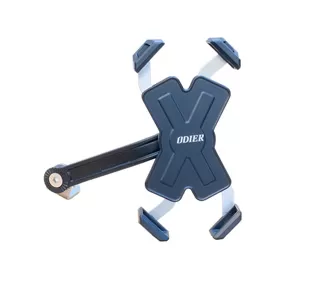
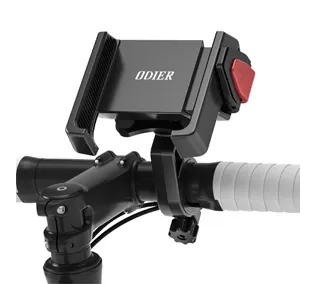
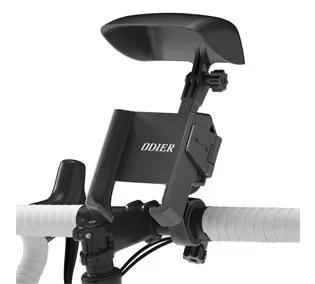
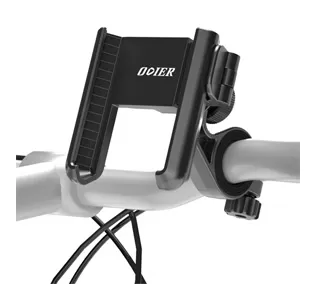
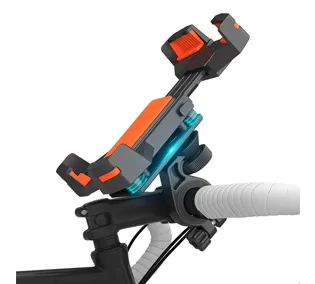
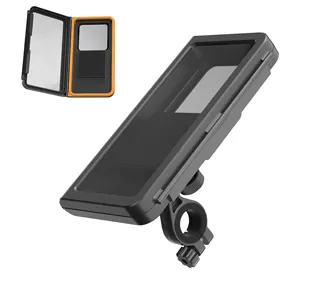
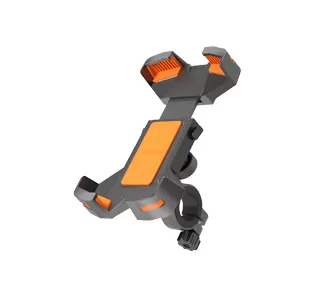
Bike phone holders
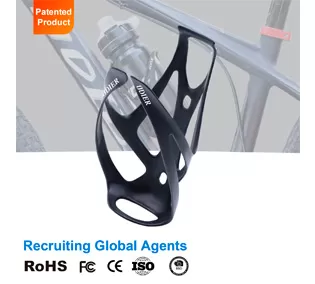
Bicycle bottle cages
Cycling bags and frame packs
Bike mirrors
Cycling helmets
Cycling gloves
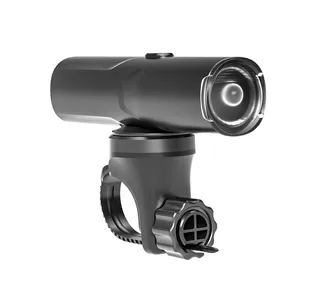
Bicycle lights
Bike locks
Hydration systems
Cycling tools and repair kits
Saddle accessories
Action camera mounts
Handlebar accessories
Many factories also offer bundled manufacturing capabilities for private-label sports accessory brands.
One of the most important sourcing decisions is choosing between OEM and ODM manufacturing.
| Model | OEM | ODM |
Product Design | Buyer provides | Factory provides |
Customization Level | High | Moderate |
Development Time | Longer | Faster |
Tooling Cost | Higher | Lower |
Brand Exclusivity | Stronger | Limited |
OEM (Original Equipment Manufacturing) means the buyer owns the product concept or design.
The supplier manufactures products according to:
Technical drawings
Custom specifications
Materials requirements
Branding requests
Packaging standards
OEM is suitable for brands wanting:
Unique products
Differentiation from competitors
Patented designs
Exclusive features
Strong brand identity
For example, if a cycling brand develops a proprietary bike phone mount or ergonomic handlebar accessory, OEM manufacturing provides greater control.
ODM (Original Design Manufacturing) means the factory already has an existing product design.
Buyers mainly customize:
Logo printing
Colors
Packaging
Minor features
Materials upgrades
ODM works well for:
Fast product launches
Lower MOQ strategies
Market testing
Startup brands
Budget-sensitive sourcing
For many distributors entering the cycling accessories market, ODM can reduce development risk while improving speed to market.
The answer depends on business stage and goals.
You want exclusive products
Your brand already has market traction
Product differentiation matters
You plan long-term scaling
You are testing a new market
Budget is limited
Faster launch matters
You need lower development costs
In practice, many successful cycling brands begin with ODM and transition into OEM once sales stabilize.
Not all suppliers operate at the same quality level.
A low quotation often hides issues involving material consistency, delayed shipping, or poor quality control.
Avoid general trading companies when possible.
Instead, prioritize factories with experience in:
Cycling accessories
Outdoor sporting goods
Injection molding
CNC bicycle parts
Textile sports accessories
A specialized supplier usually understands rider expectations and durability standards better.
Ask suppliers about:
Factory size
Production lines
Export markets
Annual production capacity
In-house R&D
Testing equipment
Factories experienced in European or North American markets generally understand stricter quality expectations.
Samples help evaluate:
Material quality
Finish consistency
Ergonomics
Durability
Packaging standards
Skipping sample testing often leads to expensive mistakes during mass production.
Depending on product type and destination market, certifications may matter.
Common examples include:
| Product Type | Potential Requirements |
Helmets | CE, CPSC |
Bicycle Lights | RoHS, CE |
Electronics | FCC |
Sporting Goods | REACH compliance |
Ignoring compliance can create customs issues or legal risks.
Minimum order quantity (MOQ) varies significantly by product type.
| Product Category | Typical MOQ |
Bottle Cages | 500–1000 pcs |
Bike Phone Mounts | 300–1000 pcs |
Cycling Bags | 300–500 pcs |
Gloves | 500+ pairs |
Bike Lights | 500–2000 pcs |
Custom Packaging | Often separate MOQ |
OEM customization usually increases MOQ requirements.
ODM products often provide more flexibility for smaller buyers.
Sometimes yes.
Suppliers may reduce MOQ when:
Standard molds are used
Colors remain unchanged
Buyers accept shared production runs
Future order potential is strong
However, extremely low MOQs may result in higher unit costs.
The total cost extends beyond factory pricing.
Buyers should calculate:
The quoted manufacturing price.
Common in OEM development.
These are often required for:
Injection-molded products
Unique accessories
Custom mounting systems
Includes:
Retail boxes
Polybags
Instruction manuals
Barcode labels
Shipping expenses vary by:
Weight
Product dimensions
Shipping method
Country of destination
Often overlooked during budgeting.
A lower factory quote may not translate into lower landed cost.
Common hidden problems include:
Material substitutions
Weak packaging
Higher defect rates
Delayed delivery
Communication problems
Consistency often matters more than saving a few cents per unit.
The ideal logistics solution depends on order size and urgency.
| Shipping Method | Best For | Speed | Cost |
Express | Samples, urgent orders | Fast | High |
Air Freight | Medium orders | Moderate | Medium-High |
Sea Freight | Bulk orders | Slow | Low |
Sea shipping makes sense for:
Large orders
Bulky products
Non-urgent inventory planning
Bike accessories often ship efficiently through container consolidation.
Air shipping works better for:
Seasonal launches
Fast-moving inventory
Urgent replenishment
The trade-off is significantly higher transportation cost.
Low-cost offers often become expensive later.
Quality inconsistency usually costs more than small savings.
Whenever possible, verify:
Production capability
Quality systems
Real factory ownership
Third-party inspections are often worthwhile for larger orders.
Ambiguous requirements lead to inconsistent results.
Always confirm:
Materials
Dimensions
Colors
Tolerances
Packaging standards
For OEM projects, consider:
NDAs
Mold ownership agreements
Trademark registration
This becomes especially important for branded cycling accessories.
Production timelines vary depending on complexity.
| Order Type | Typical Lead Time |
Stock ODM Products | 15–30 days |
Customized ODM | 30–45 days |
OEM New Product | 45–90+ days |
Holiday schedules, peak shipping seasons, and raw material shortages may affect timelines.
Planning inventory early helps avoid delays.
For most buyers, yes. China continues offering strong advantages in cost efficiency, supplier specialization, and manufacturing scale for cycling accessories and bike-related products.
ODM often works better for startups because it lowers development cost and speeds up product launch. OEM becomes more attractive once demand is validated.
Request:
Factory videos
Production photos
Certifications
Business licenses
Video calls
Third-party audits
Reliable suppliers are usually transparent about manufacturing capabilities.
Comparing at least three suppliers is generally recommended before making sourcing decisions.
This improves pricing transparency and helps identify realistic market standards.
Sourcing cycling equipment from China offers substantial opportunities for brands, distributors, and retailers—but successful procurement depends on much more than pricing.
Understanding the differences between OEM and ODM, evaluating supplier capabilities, verifying quality systems, managing logistics, and planning for long-term scalability all play a critical role in building a dependable supply chain.
For businesses entering the cycling accessories market, the strongest results usually come from starting with practical sourcing goals, validating product quality through samples, and building relationships with experienced manufacturing partners capable of supporting future growth.