
Cycling gear in 2026 is no longer just about comfort or aesthetics—it directly affects safety, riding efficiency, maintenance costs, and overall riding experience. Whether you ride on roads, trails, gravel paths, or city streets, the right equipment can prevent avoidable breakdowns, reduce fatigue, and improve performance over time.
The challenge is knowing which gear is genuinely essential and which products are optional upgrades. Riders often overspend on trend-driven accessories while overlooking the equipment that matters most for reliability and long-term value.
This checklist breaks down the essential cycling gear every rider should prioritize in 2026, with practical buying considerations based on riding style, durability, and real-world use.
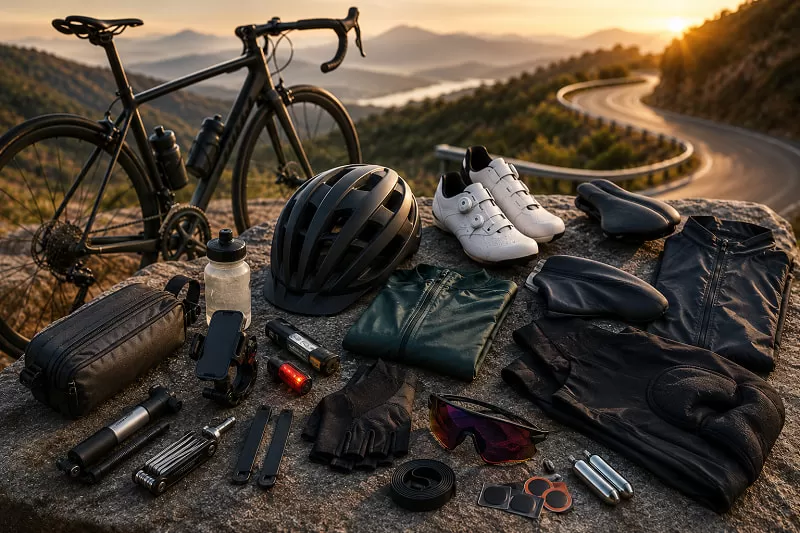
| Category | Essential | Recommended For |
Helmet | Yes | All riders |
Front & Rear Lights | Yes | Urban, commuting, endurance riding |
Gloves | Yes | Comfort & grip |
Water Bottle & Cage | Yes | All riding types |
Repair Kit | Yes | Every rider |
Cycling Shorts/Bibs | Strongly Recommended | Long-distance riders |
Bike Lock | Essential for commuters | Urban riders |
Multi-tool | Yes | Road, gravel, MTB |
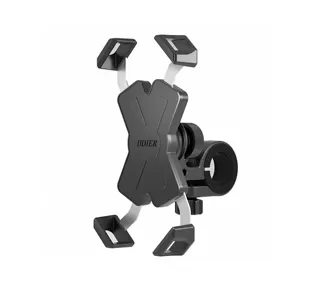
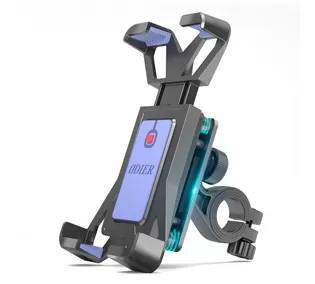
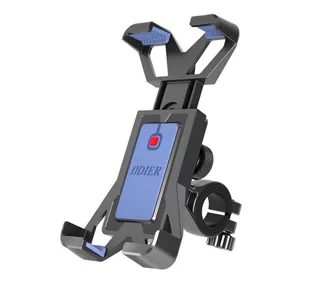
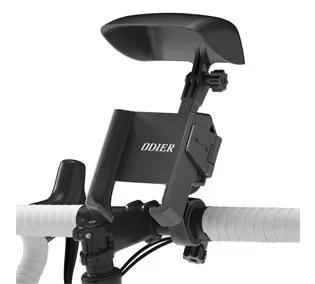
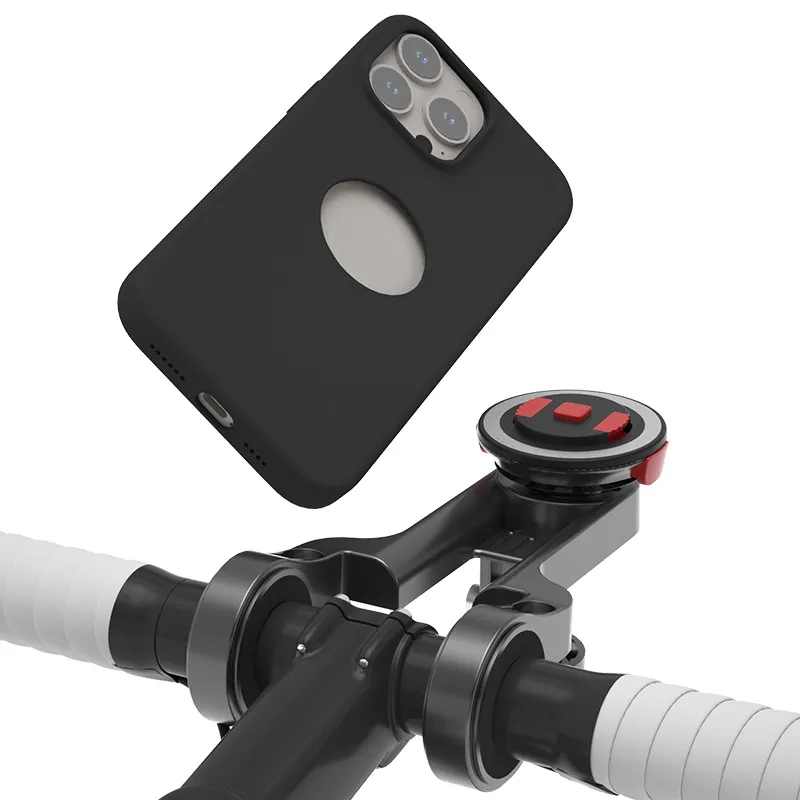
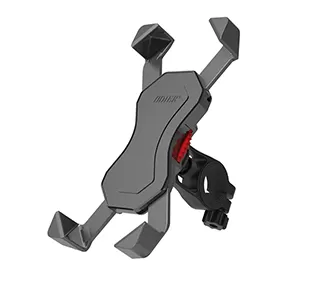
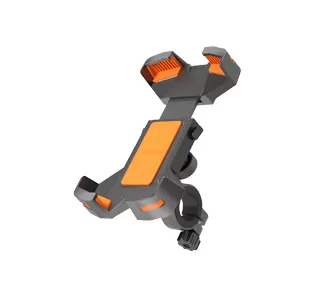
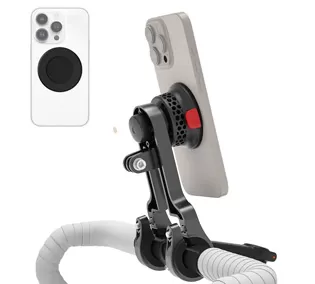
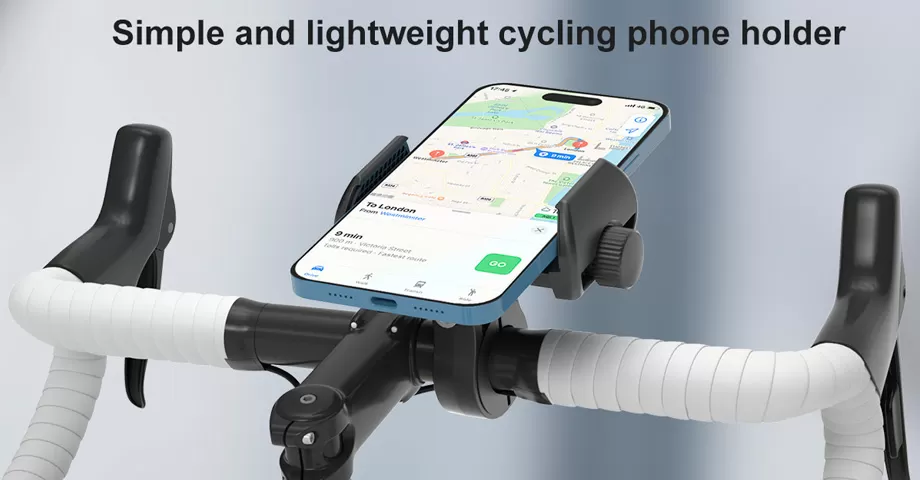
Phone Mount or Cycling Computer | Recommended | Navigation-focused riders |
Saddle Bag | Recommended | Carrying repair gear |
Eye Protection | Recommended | Road & trail riding |
Cycling Shoes | Depends on riding style | Intermediate to advanced riders |
Not every cyclist needs the exact same setup, but certain gear categories are difficult to justify skipping.
Helmet technology continues evolving in 2026, but the priority remains the same: impact protection.
Modern cycling helmets increasingly feature:
Advanced impact absorption systems
Better ventilation
Lightweight shell construction
Improved aerodynamic performance
Enhanced rotational impact protection
The answer depends on your riding discipline.
| Riding Style | Best Helmet Type |
Road Cycling | Lightweight, aerodynamic |
Mountain Biking | Extended rear protection |
Gravel Riding | Hybrid design |
Urban Commuting | Visibility-focused helmets |
A lightweight helmet may feel appealing, but poor fit reduces protection significantly. Riders should prioritize proper sizing and retention systems over appearance alone.
In many cases, yes—but only if it improves fit, ventilation, and safety certification.
Premium helmets often last longer and offer better comfort on extended rides, which matters for regular cyclists.
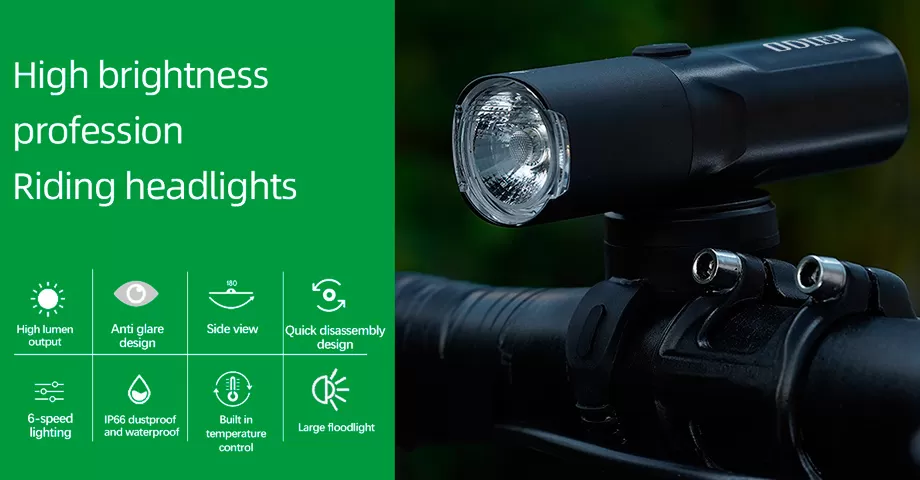
Even daytime riders increasingly use bike lights for visibility.
Modern cycling safety research has shifted toward "being seen," not simply seeing in darkness.
Essential setup includes:
Used for:
Night riding
Low-light conditions
Increased daytime visibility
Critical for:
Urban riding
Vehicle awareness
Group riding safety
Rechargeable USB-C systems are becoming the preferred choice because of convenience and lower long-term battery costs.
| Riding Environment | Recommended Output |
Urban Streets | 200–500 lumens |
Rural Roads | 600–1000 lumens |
Trail Riding | 1000+ lumens |
Overbuying brightness can be unnecessary if most rides happen in well-lit areas.
Many riders underestimate the role gloves play in fatigue reduction.
Quality cycling gloves improve:
Handlebar grip
Sweat control
Vibration absorption
Hand numbness prevention
Crash protection
Fingerless gloves are often ideal for road cycling and warm weather.
Full-finger gloves offer more protection and are preferred for mountain biking, cold weather, or technical riding.
Material durability matters more than branding for long-term use.
Hydration is one of the easiest areas to optimize, yet riders often choose poorly sized systems.
One standard bottle cage setup is usually enough.
Consider:
Dual bottle cage systems
Larger bottle capacity
Hydration backpacks for trails
| Material | Pros | Cons |
Plastic | Lightweight, affordable | Less durable |
Stainless Steel | Durable | Heavier |
Insulated Bottles | Temperature control | More expensive |
For many riders, lightweight BPA-free bottles offer the best balance between cost and practicality.
A flat tire or loose bolt can turn a short ride into a major inconvenience.
At minimum, riders should carry:
Spare inner tube
Tire levers
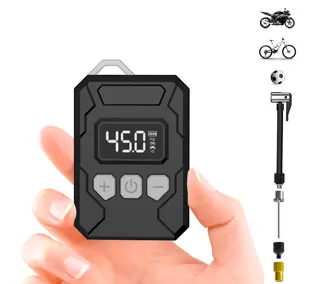
Mini pump or CO₂ inflator
Patch kit
Compact multi-tool
For gravel and mountain riders, tubeless repair plugs have become increasingly important in 2026.
Waiting for assistance may not always be realistic, particularly during:
Long-distance rides
Remote routes
Group rides
Gravel adventures
A small repair kit often prevents hours of disruption.
For short casual rides, maybe not.
For frequent or longer rides, cycling shorts become one of the highest-value purchases.
Benefits include:
Reduced saddle discomfort
Moisture management
Better movement efficiency
Reduced chafing
| Option | Best For |
Standard Cycling Shorts | Casual riding |
Bib Shorts | Long-distance comfort |
Bibs generally provide better support but cost more.
For riders cycling several times per week, durability and comfort justify the investment.
Cycling glasses are not only for sunlight.
They protect against:
Dust
Wind
Road debris
Insects
UV exposure
Photochromic lenses, which adapt to changing light, continue gaining popularity among endurance and gravel riders.
Not always.
The priority should be:
Stable fit
Impact resistance
Clear visibility
Anti-fog performance
Premium sports eyewear becomes more valuable for riders spending long hours outdoors.
Many riders in 2026 face the same decision.
Best for:
Casual riding
Navigation
Fitness apps
Pros:
Affordable
Familiar interface
Multi-purpose
Cons:
Battery drain
Weather exposure
Best for:
Training
Long-distance cycling
Performance tracking
Pros:
Better battery life
Navigation stability
Advanced ride metrics
Cons:
Higher upfront cost
If cycling is becoming a long-term hobby, dedicated cycling computers often deliver better reliability.
This depends heavily on riding goals.
Casual cycling
Commuting
Mountain biking beginners
Road cycling
Long-distance rides
Performance-focused riders
The learning curve exists, but improved pedaling efficiency often outweighs initial discomfort for experienced riders.
The total depends on riding frequency and expectations.
| Rider Type | Estimated Gear Budget |
Casual Rider | $100–300 |
Weekend Rider | $300–700 |
Enthusiast Rider | $700+ |
Buying everything at once is rarely necessary.
Instead, prioritize:
Safety equipment
Comfort upgrades
Maintenance essentials
Performance accessories
This approach avoids unnecessary spending while improving riding quality progressively.
A popular accessory may not suit your riding environment.
Choose products based on use case rather than online hype.
Not every mount, bottle cage, or storage system fits every bike frame.
Compatibility checks help avoid returns and wasted spending.
Low-cost accessories may fail faster, especially under vibration or weather exposure.
Durability often delivers better long-term value.
More equipment does not always improve rides.
Unnecessary weight can reduce comfort and efficiency.
Helmet, lights, hydration, and a basic repair kit should come first. These provide the strongest combination of safety and practicality.
Often yes, especially for high-contact items such as lights, saddles, pumps, and riding apparel. However, riders should evaluate material quality and warranty support rather than price alone.
Not necessarily. Commuters often prioritize visibility, security, and convenience, while recreational riders may value comfort and performance more.
For serious riders, smart lights, cycling computers, and GPS tracking systems increasingly offer useful long-term benefits. Casual riders may find simpler setups more practical.
The best cycling gear setup in 2026 is not necessarily the most expensive—it is the one that matches how and where you ride.
A well-chosen helmet, reliable lights, hydration system, repair essentials, and comfort-focused accessories will usually deliver far more value than trend-driven upgrades. Riders should focus on durability, compatibility, and long-term riding goals when building their gear checklist.
Whether you ride daily, train on weekends, or explore mixed terrain, investing in practical, dependable cycling equipment creates a safer, more enjoyable riding experience while reducing unnecessary replacements over time.