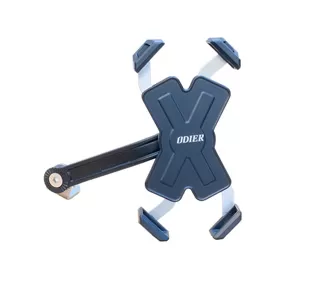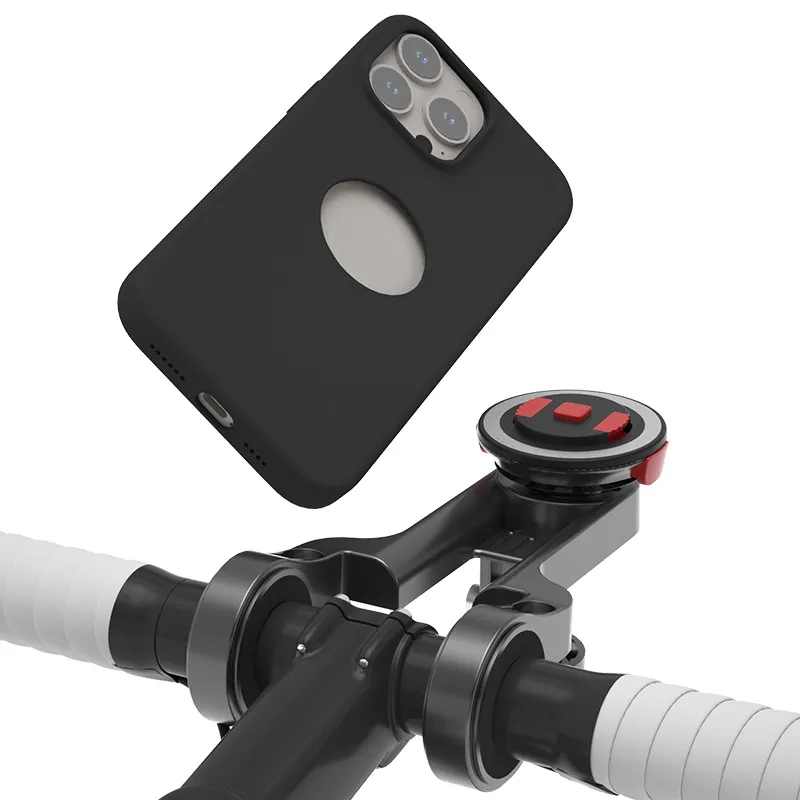

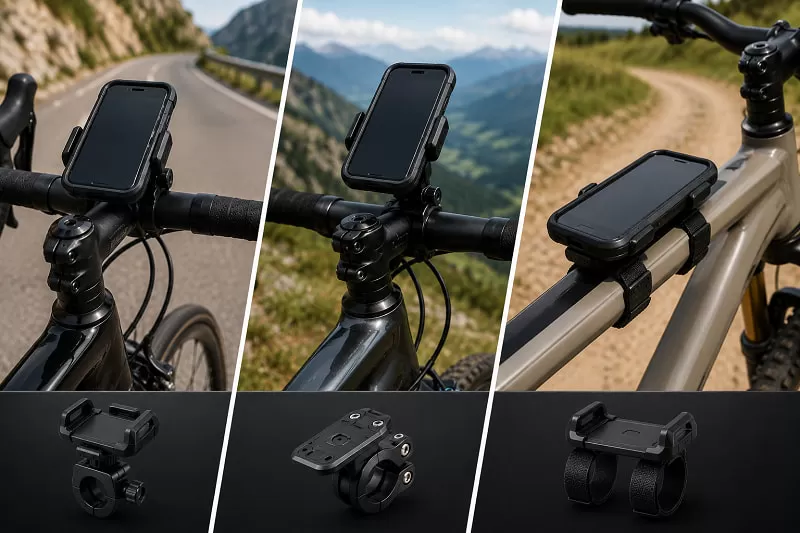
The best choice depends on your riding style and priorities. Handlebar mounts offer maximum visibility and compatibility, stem mounts provide a centered and aerodynamic position, and top tube mounts prioritize stability and protection—especially for rough terrain. If you ride on roads and need navigation at a glance, go handlebar. If you want a cleaner cockpit, choose stem. If you ride trails or gravel, top tube is often the safest option.
A bike phone mount isn’t just about holding your phone—it directly affects:
Safety (eye movement & distraction)
Stability (vibration and shock absorption)
Compatibility (handlebar shape, cockpit space)
User experience (navigation visibility, touch access)
Choosing the wrong position can lead to poor visibility, frequent adjustments, or even device damage.
Key Advantages
Wide compatibility with most bikes
Easy installation and adjustment
Best viewing angle for navigation apps
Limitations
More exposed to vibration on rough roads
Can clutter handlebars (especially with lights, bells, GPS units)
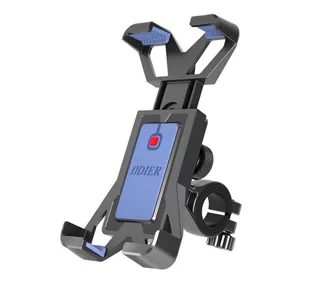
Magnetic handlebar phone mount is the default choice for most riders buying a bike phone mount, especially beginners or commuters.
Key Advantages
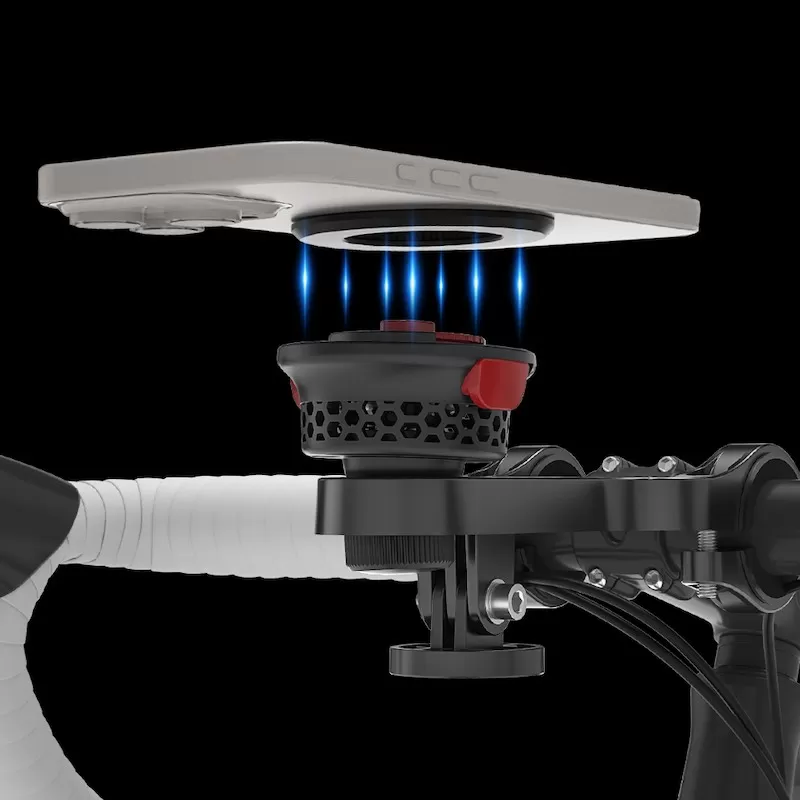
Centered position improves balance and aerodynamics
Cleaner cockpit (minimal interference with other accessories)
Lower profile reduces wind resistance
Limitations
Limited space depending on stem design
Slightly less adjustable viewing angle
Not ideal for large phones
Stem mounts are preferred by riders who want a minimalist and performance-oriented setup.
Key Advantages
Extremely stable on rough terrain
Better protection from impact and vibration
Often includes storage (phone + small essentials)
Limitations
Requires looking down to check navigation
Less convenient for real-time interaction
Can interfere with aggressive riding positions
For off-road riders, this setup reduces the risk of phone drops or damage.
Safety depends more on terrain than mount type:
Smooth roads: Handlebar or stem mounts are sufficient
Rough trails: Top tube mounts offer better shock absorption
High-speed riding: Stem mounts reduce exposure and wind drag
For added protection, consider mounts with:
Silicone dampening or anti-vibration modules
Secure locking mechanisms (not just elastic bands)
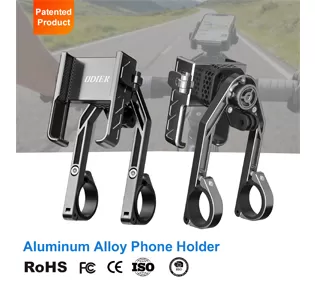
Reinforced clamps or aluminum brackets
Yes, especially for experienced riders.
Handlebar mounts may slightly affect steering feel due to added weight
Stem mounts maintain better bike balance
Top tube mounts eliminate handlebar interference but reduce accessibility
For competitive or long-distance cycling, even small cockpit changes matter.
In most cases, no.
A mount optimized for road cycling may fail under MTB conditions due to:
Increased vibration
Larger impact forces
Different handlebar geometries
Riders with multiple bikes often use:
A primary mount (handlebar/stem) for road use
A secondary mount (top tube) for off-road riding
Focus on these key decision factors:
Road → Handlebar or stem
Trail/MTB → Top tube
Frequent navigation → Handlebar
Occasional checks → Stem or top tube
Crowded handlebars → Stem mount
Limited stem space → Handlebar mount
Larger phones → Handlebar mounts offer better support
Compact phones → All options viable
Cheap mounts often fail due to weak shock absorption.
Low-cost mounts may compromise locking security and durability.
Not all mounts fit oversized handlebars, aero bars, or integrated cockpits.
A highly visible mount is useless if it can’t secure your phone properly.
Anti-vibration design (especially for high-end smartphones)
One-hand operation for quick mounting/unmounting
360° rotation for flexible viewing angles
Waterproof or weather-resistant casing (for all-weather riders)
Strong locking system (mechanical lock preferred over silicone straps)
When sourcing a bike phone mount, especially for retail or distribution, prioritize suppliers that offer:
Multiple mounting options (handlebar, stem, top tube)
Tested vibration resistance for different terrains
OEM/ODM customization capabilities
Consistent quality across product lines
Working with experienced manufacturers like Odiersports ensures access to a full range of mounts tailored for different cycling scenarios, helping you meet diverse market demands.
Handlebar mounts are ideal for navigation-heavy long rides, while top tube mounts are better for rough, endurance-focused routes.
They offer a cleaner and more aerodynamic setup but sacrifice some adjustability and compatibility.
Excessive vibration can affect camera stabilization systems. Choosing mounts with vibration dampening significantly reduces this risk.
It works, but it’s less convenient for navigation since it requires looking down.
For commuters and all-weather riders, waterproof protection prevents damage from rain and road spray.
Each mount position serves a specific purpose. Handlebar mounts maximize usability, stem mounts optimize performance, and top tube mounts enhance protection. The right choice depends on how—and where—you ride. For both riders and distributors, offering multiple mount solutions is the most effective way to cover real-world cycling needs and improve conversion across different customer segments.