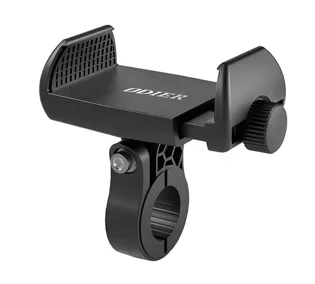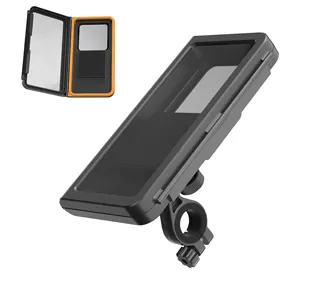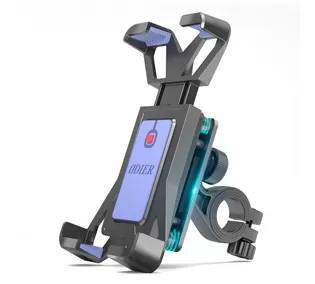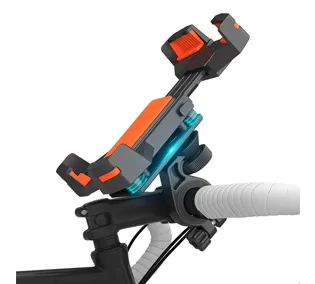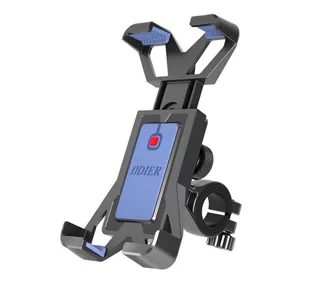

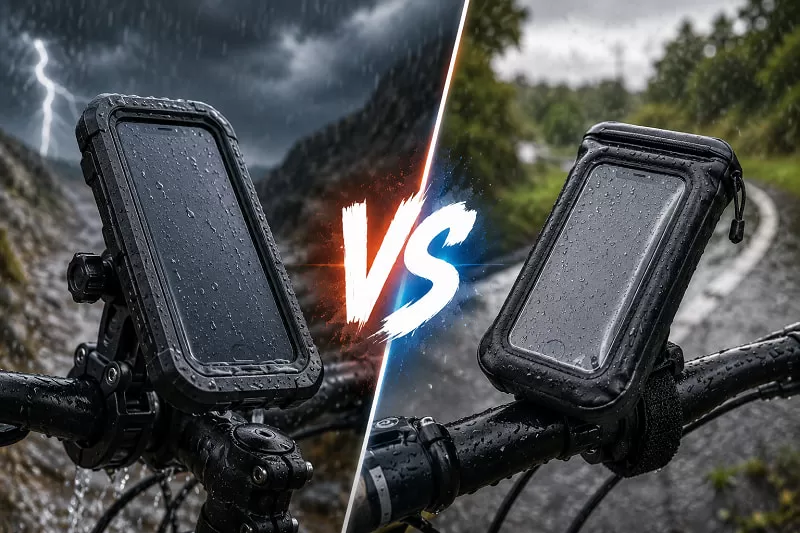
Hard case mounts provide superior protection against impact, vibration, and long-term exposure, while soft pouch mounts offer better flexibility, broader compatibility, and lower cost. If your priority is maximum device safety—especially on rough terrain or high-speed rides—a hard case waterproof bike phone mount is the more reliable choice. For casual commuting or occasional rain use, a soft pouch can be sufficient.
The core difference lies in how each type absorbs stress:
Hard Case Mounts → Rigid shell + sealed enclosure
Protects against drops, shocks, and external pressure
Often includes internal padding or shock-absorbing layers
Soft Pouch Mounts → Fabric or TPU material + zipper/velcro seal
Absorbs minor impacts through flexibility
Less resistant to compression and sharp impacts
In real-world riding, hard cases protect against force, while soft pouches adapt to it.
Typically features IPX-rated sealing systems
Uses gasket locks, snap closures, or screw seals
Better resistance to heavy rain and prolonged exposure
Relies on zipper seals or roll-top closures
May resist light rain but vulnerable under pressure (e.g., splashes, prolonged wet conditions)
For consistent wet-weather riding, hard cases deliver more reliable waterproofing.
This is a critical but often overlooked factor.
Hard Case
More stable mounting structure
Better for high-speed road cycling or MTB
Often integrates anti-vibration modules
Soft Pouch
Can sway or shift under continuous vibration
Less stable on rough terrain
If you ride on gravel, trails, or uneven roads, hard cases significantly reduce device movement.
Thin TPU film allows better touchscreen sensitivity
Easier interaction with navigation apps
Thicker protective layer may reduce responsiveness
Some models require higher touch pressure
If frequent interaction is required (e.g., navigation adjustments), soft pouches feel more intuitive.
Hard Case
Enclosed design may trap heat
Can affect phone performance during long rides under sunlight
Soft Pouch
More breathable materials
Slightly better heat dissipation
For hot climates or long-distance rides, overheating becomes a real consideration.
Long lifespan with consistent structure
Resistant to wear, UV exposure, and deformation
Material fatigue over time (especially zippers and seams)
More prone to tearing or losing waterproof integrity
From a product lifecycle perspective, hard cases offer better long-term value.
For high-end devices with sensitive camera systems:
Hard cases reduce:
Vibration damage
Direct impact risk
Structural stress
Soft pouches increase risk under:
Sudden shocks
High-speed riding conditions
For premium smartphones, hard case mounts are the safer investment.
Ride on rough terrain (MTB, gravel)
Need maximum protection
Use high-value smartphones
Ride in heavy rain or extreme conditions
Commute in urban environments
Need frequent touchscreen interaction
Prefer lightweight and low-cost solutions
Ride mainly in mild weather conditions
Many soft pouches are only splash-proof—not fully sealed.
Even a waterproof mount fails if it cannot hold the phone securely.
Hard cases often require specific sizing, while soft pouches are more universal.
Low-cost mounts often compromise sealing quality and durability.
Certified waterproof rating (IPX standards)
Secure locking mechanism (mechanical lock preferred)
Anti-vibration structure for device protection
UV-resistant materials for outdoor durability
Clear, responsive screen interface (especially for soft pouches)
When sourcing a waterproof bike phone mount, especially for retail or wholesale, it’s important to evaluate:
Product testing standards (waterproofing + vibration resistance)
Material quality and sealing technology
Range of mount types (hard case and soft pouch options)
OEM/ODM customization capabilities
Working with established manufacturers like Odiersports allows distributors to offer both protection-focused and cost-effective solutions tailored to different market segments.
High-quality models with proper sealing systems can withstand heavy rain and extended exposure, but submersion resistance depends on design and certification.
They can, especially if the zipper or seal is not fully waterproof or becomes worn over time.
Hard cases provide better stability and protection, making them more suitable for endurance rides.
It’s possible but not ideal. Stability and impact resistance are limited compared to hard cases.
Yes—both types offer protection, but hard cases provide a tighter seal against fine particles.
The difference comes down to protection level vs usability. Hard case mounts excel in durability, waterproofing, and device safety, making them the preferred choice for demanding conditions. Soft pouch mounts offer flexibility, better touchscreen usability, and affordability, making them suitable for everyday commuting.
For brands and distributors, offering both options within your product line ensures coverage across entry-level and performance-focused markets—ultimately improving conversion and customer satisfaction.