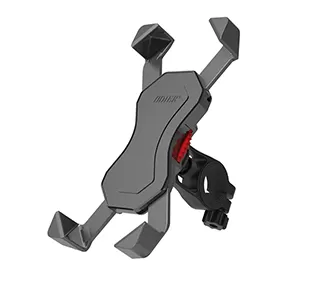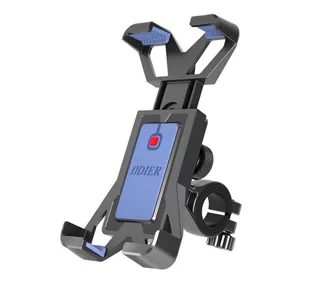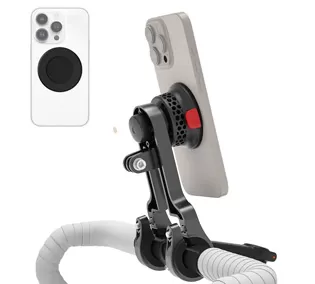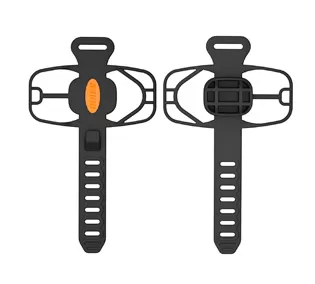

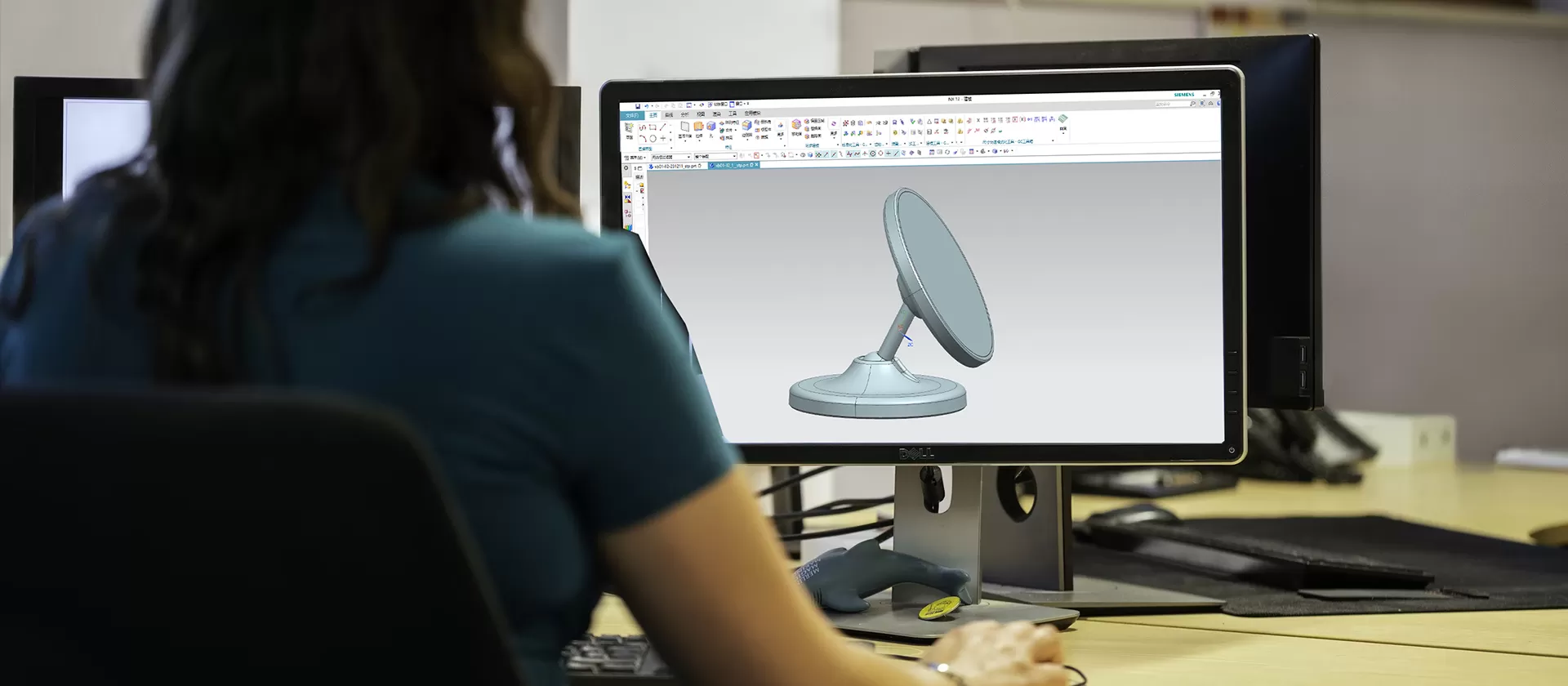
Custom bike phone holders allow brands to differentiate through tailored design, material selection, and functional features while controlling cost through optimized minimum order quantities (MOQ). The most successful custom cycling accessories projects balance user experience, structural reliability, and scalable manufacturing from the earliest design stage.
In the cycling accessories industry, customization goes far beyond logo printing. It typically includes:
Structural design (mounting mechanism, locking system)
Material selection (aluminum, plastic composites, silicone)
Surface treatment (anodizing, coating, branding)
Packaging and private labeling
Functional enhancements (anti-vibration, waterproofing, quick release)
For brands entering the market, understanding these layers is essential to avoid costly redesigns during production.
The mounting system determines usability and safety. Common options include:
Clamp systems (mechanical grip)
Quick-release systems (twist-lock or slide-lock)
Magnetic alignment systems
Each design affects:
Installation speed
Stability under vibration
Compatibility with different handlebars
Industry insight:
Quick-release and hybrid locking systems are increasingly preferred in premium segments due to their balance of convenience and security.
High-frequency vibration is one of the main causes of product failure and user dissatisfaction.
Effective solutions include:
Silicone damping layers
Floating structures between mount and handlebar
Reinforced locking points to prevent loosening
This is especially critical for:
E-bikes
Gravel and MTB applications
Delivery riders using navigation continuously
Design should support:
One-hand operation
Clear viewing angles (adjustable rotation)
Easy phone insertion and removal
Poor ergonomic design often leads to negative user feedback, even if structural quality is high.
Material selection directly impacts durability, cost, and product positioning.
High strength and rigidity
CNC machining for precision
Excellent durability under vibration
Higher production cost
Cost-effective and lightweight
Suitable for injection molding
Lower long-term durability
Improved strength compared to standard plastics
Better fatigue resistance
Balanced cost-performance ratio
Used for padding and anti-slip
Enhances shock absorption and device protection
Recommendation:
For high-end custom cycling accessories, combining aluminum structure with silicone damping components delivers optimal performance.
Customization at the surface level enhances brand identity:
Anodizing (aluminum): corrosion resistance + color options
Powder coating: durable and cost-effective
Laser engraving: premium logo appearance
Silk printing / pad printing: suitable for large-volume production
Packaging customization (boxes, inserts, instructions) also plays a critical role in brand perception and retail readiness.
MOQ varies depending on design complexity, materials, and manufacturing process.
Injection-molded plastic designs:
500–1000 units (if existing mold is used)
2000–5000 units (for new mold development)
CNC aluminum designs:
200–500 units (flexible for small batches)
Hybrid designs (multi-material):
500–1500 units depending on assembly complexity
Key factor:
New mold development significantly increases MOQ due to tooling costs.
MOQ directly affects:
Unit production cost
Tooling amortization
Supply chain efficiency
Lower MOQ = higher unit cost
Higher MOQ = better pricing but increased inventory risk
For brands launching new products, starting with semi-custom designs (using existing molds) is often the most cost-effective strategy.
Selecting the right supplier is critical for both quality and scalability.
Experience in cycling accessories manufacturing
Capability in multi-material production
Quality control systems (QC processes, testing standards)
Flexibility in MOQ and customization
Communication and design support
Reliable custom cycling accessories manufacturers typically offer:
Prototype development
Design optimization feedback
OEM/ODM services
Typical timeline:
Concept & design confirmation: 1–2 weeks
Prototype development: 2–4 weeks
Testing and revisions: 1–2 weeks
Mass production: 3–6 weeks
Total lead time: approximately 6–12 weeks, depending on complexity.
Leads to higher cost and longer production cycles
Solution: focus on core functionality first
Causes product failure in real use
Solution: prioritize structural testing
Limits market reach
Solution: design for universal phone sizes or modular adapters
Creates inventory pressure
Solution: align production scale with sales forecast
Aluminum alloy combined with silicone components provides the best balance of durability and user protection.
Yes, especially with existing molds or CNC-based designs, though unit cost will be higher.
Common methods include laser engraving, silk printing, and anodized color customization.
OEM is suitable for branding existing designs, while ODM allows full customization and differentiation.
Developing successful custom bike phone holders requires a strategic approach that integrates design, materials, and production planning.
For most brands, the optimal path is:
Start with proven structural designs
Customize materials and branding for differentiation
Gradually invest in full custom molds as volume grows
For suppliers and brands in the custom cycling accessories market, combining engineering reliability with flexible MOQ strategies is key to improving both market competitiveness and conversion performance.