
Magnetic bike phone mounts offer unmatched convenience and quick attachment, making them ideal for urban commuting and frequent stops. Clamp mounts, on the other hand, provide superior mechanical stability and are better suited for high-speed riding, rough terrain, and long-distance cycling. The better choice depends on your riding conditions, phone weight, and safety expectations.
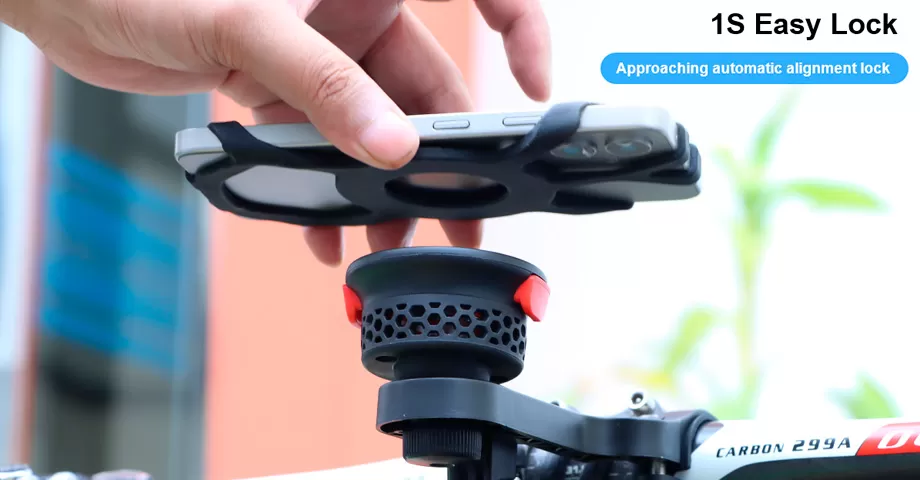
A magnetic phone holder for bike uses high-strength magnets—often neodymium—paired with a metal plate or magnetic case to secure the phone. Riders can attach or detach the device instantly without adjusting any mechanical parts.
Key characteristics:
Snap-on installation
Minimal structure, lightweight design
Clean cockpit appearance
Typically combined with silicone anti-slip pads
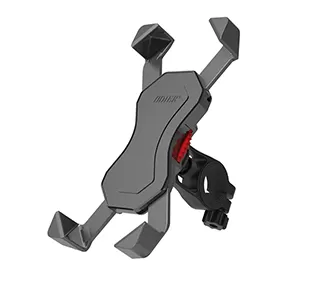
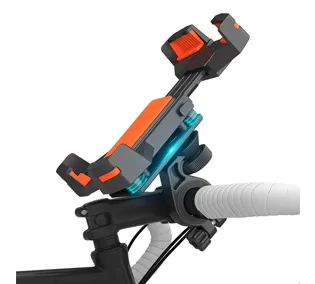
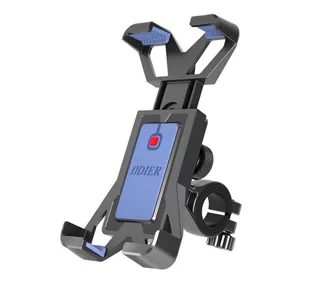
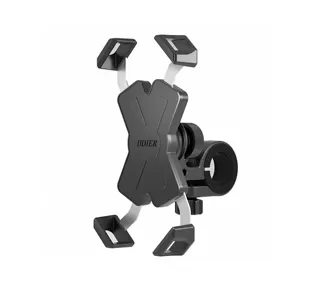
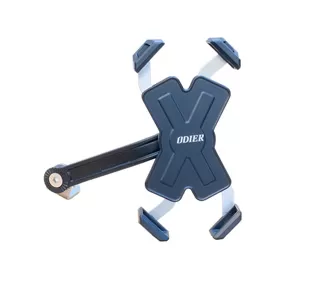
Clamp mounts rely on mechanical grips—spring-loaded arms or screw-tightened brackets—to physically hold the phone in place. Many designs include corner locks or anti-slip rubber pads.
Key characteristics:
Multi-point physical locking
Adjustable width for different phone sizes
Strong resistance to vibration
Often bulkier than magnetic systems
Clamp mounts provide significantly higher retention force under extreme vibration, such as mountain biking, gravel riding, or pothole-heavy urban roads. Mechanical locking ensures the phone remains secured even during sudden shocks.
Magnetic mounts have improved in recent years, especially with multi-magnet arrays and anti-slip surfaces. However, under continuous high-frequency vibration, even a strong magnet holder for bike may gradually shift position or detach if not properly aligned.
Industry insight:
For speeds above 30 km/h or off-road conditions, clamp systems remain the safer choice.
Modern magnetic mounts are generally safe for smartphones. They do not damage internal components, GPS, or signal reception under normal usage conditions.
However, two practical considerations matter:
Camera stabilization systems (OIS): Prolonged vibration—not the magnet itself—can affect camera modules
Magnetic alignment: Poorly positioned metal plates can interfere with wireless charging
In professional product design, high-end magnetic mounts often optimize magnet placement to avoid these issues.
Attach/remove phone in seconds
Ideal for delivery riders, commuters, and navigation-heavy usage
No need to adjust clamps repeatedly
Works with all phone sizes without extra accessories
No reliance on magnetic compatibility
Better for long rides where stability is critical
If your usage involves frequent phone interaction (e.g., navigation checks, calls), magnetic systems provide a clear usability advantage.
The holding force of a magnetic phone holder for bike depends on:
Magnet grade (e.g., N52 neodymium)
Number of magnetic contact points
Surface friction materials
For cycling applications, a reliable mount should withstand:
Continuous vibration
Sudden braking force
Road shock
Engineering benchmark:
A well-designed magnetic mount should support at least 3–5 times the weight of the phone under dynamic conditions.
Clamp mounts are safe when properly designed, but lower-quality products may introduce risks:
Excessive pressure on phone edges
Uneven force distribution
Scratching due to poor padding materials
Premium clamp mounts address this with:
Silicone or TPU cushioning
Adjustable tension systems
Shock-absorbing structures
| Feature | Magnetic Mount | Clamp Mount |
Installation Speed | Extremely fast | Moderate |
Stability (Rough Terrain) | Medium | High |
Compatibility | Requires metal plate/case | Universal |
Weight & Design | Lightweight, minimal | Bulkier |
Ease of Use | One-hand operation | Two-step operation |
Best Use Case | Commuting, delivery | MTB, long-distance |
Magnetic mounts excel due to convenience and quick interaction.
Clamp mounts provide necessary mechanical security.
Clamp mounts are preferred for safety, especially on uneven roads.
Magnetic mounts improve efficiency and reduce handling time.
Magnetic mounts require either:
A built-in magnetic phone (e.g., MagSafe-compatible devices)
A metal plate attached to the phone or case
Clamp mounts do not have this limitation, making them more universally compatible.
For real-world cycling conditions, both matter—but their importance varies:
Waterproofing: Essential for rain, commuting, and long rides
Shockproofing: Critical for protecting internal phone components
Clamp mounts often perform better in shock absorption, while magnetic mounts rely more on surface grip and vibration damping.
From a manufacturing and product strategy perspective:
Target market: urban commuters, delivery riders
Focus on minimalist design and user convenience
Emphasize quick-release functionality
Target market: professional cyclists, MTB users
Prioritize safety and durability
Require universal compatibility
Many leading suppliers now offer hybrid solutions—combining magnetic alignment with mechanical locking—to balance both advantages.
They are highly effective for specific use cases where convenience and speed outweigh extreme stability requirements. For everyday commuting, a well-designed magnet holder for bike delivers excellent user experience.
For demanding riding environments, clamp mounts remain the more reliable choice.
With proper magnet strength and correct installation, it remains stable under normal road conditions. However, extreme vibration can reduce holding reliability compared to clamp systems.
No measurable impact on battery performance or signal strength occurs in modern smartphones.
Clamp mounts are generally preferred due to consistent mechanical security over extended rides.
Yes. Many riders use magnetic mounts for daily commuting and clamp mounts for sports or long-distance rides.
Selecting between a magnetic and clamp bike phone mount is not about which is universally better—it’s about matching the product to the riding environment.
For convenience-driven scenarios, a magnetic phone holder for bike delivers speed and simplicity. For safety-critical conditions, clamp mounts provide the mechanical reliability that serious cyclists require.
For brands and distributors, offering both options—or a hybrid design—ensures broader market coverage and higher conversion potential.
.webp "Magnetic Quick Release")