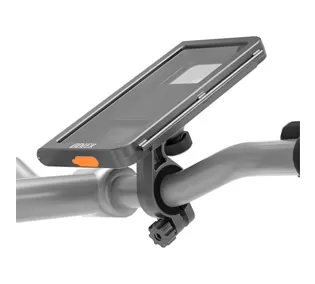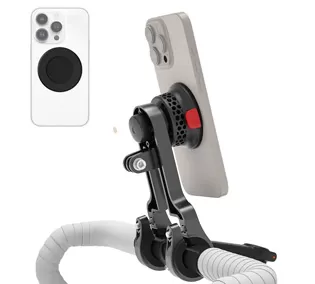

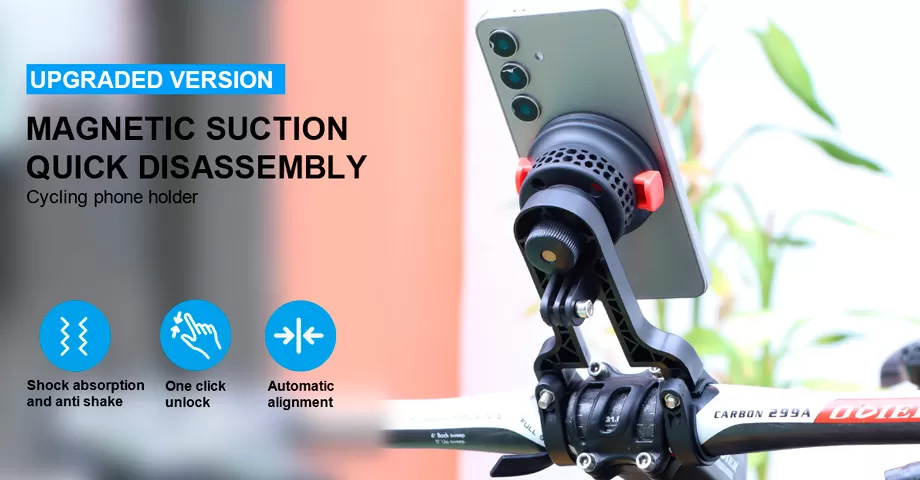
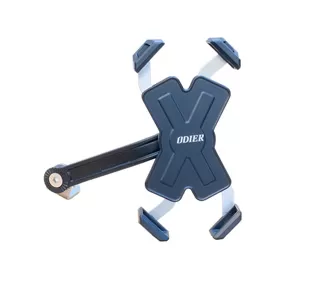
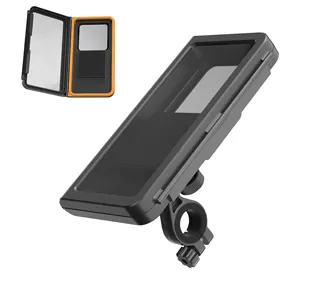
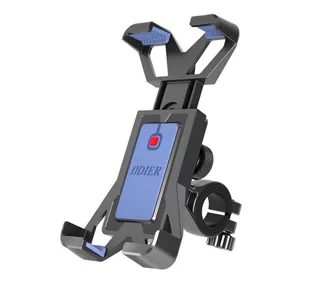
Quick release bike phone mounts are more convenient for riders who frequently attach and remove their phones, especially in commuting, delivery, and navigation-heavy scenarios. Fixed mounts offer greater structural stability and are better suited for long-distance riding or high-vibration environments where security outweighs speed.
A quick release bike phone mount is designed with a locking mechanism—such as a button, slide rail, or twist-lock—that allows the phone to be attached or removed within seconds.
Key design features:
One-hand operation
Fast locking/unlocking mechanism
Modular structure (mount + phone case or adapter)
Often includes rotation (90°/360° adjustment)
Fixed mounts rely on a more permanent attachment system, typically involving screw-tightened clamps or bracket systems that require manual adjustment to insert or remove the phone.
Key design features:
Rigid mechanical grip
No quick detachment function
Strong resistance to vibration
Universal compatibility without additional adapters
Convenience is primarily defined by time efficiency and ease of operation.
Quick release systems allow riders to remove their phone instantly when entering a building, making payments, or answering calls
Fixed mounts require loosening or adjusting clamps, which is slower and less practical for frequent use
For riders who interact with their phone multiple times during a trip, quick release systems significantly reduce friction in daily usage.
Modern quick release systems are engineered with dual-lock or anti-slip mechanisms to improve stability. High-quality designs incorporate:
Mechanical locking grooves
Secondary safety locks
Shock-absorbing materials
However, under extreme vibration (e.g., mountain biking), fixed mounts still provide higher retention due to continuous clamping force.
Industry insight:
Quick release mounts are reliable for urban and road cycling but should be carefully selected for off-road applications.
Quick release mounts are specifically optimized for speed:
Detach time: typically under 1–2 seconds
Re-attachment: immediate snap-in or twist-lock
Fixed mounts require:
Two-step operation (loosen → remove)
More attention and hand movement
For delivery riders or commuters, this time difference translates into measurable efficiency gains over repeated use.
Yes, fixed mounts excel in stability due to:
Continuous pressure on the device
Multi-point support (corners + sides)
Reduced dependency on locking mechanisms
They are particularly effective for:
High-speed cycling
Rough terrain
Long-distance touring
Quick release mounts, while stable, depend more on the precision of the locking interface.
A quick release bike phone mount is more convenient due to frequent stops and phone interaction.
Quick release systems significantly improve workflow efficiency and reduce handling time.
Both systems can work, but fixed mounts provide added confidence at higher speeds.
Fixed mounts are preferred due to superior vibration resistance.
Quick release mounts often require:
A dedicated phone case
Or an adapter plate attached to the phone
This can limit flexibility when switching devices.
Fixed mounts, by contrast:
Support a wide range of phone sizes
Do not require additional accessories
For multi-device users or rental fleets, fixed mounts offer greater compatibility.
Despite their convenience, some issues may arise:
Wear on locking mechanisms over time
Reduced stability if not properly engaged
Compatibility limitations with non-standard phone sizes
High-quality products address these issues with reinforced locking structures and durable materials such as aluminum alloy and reinforced polymers.
They provide clear advantages in usability and efficiency, particularly for:
Riders who frequently remove their phone
Navigation-heavy use cases
Short-distance urban travel
For riders prioritizing maximum security over convenience, fixed mounts remain a strong alternative.
| Feature | Quick Release Mount | Fixed Mount |
Ease of Use | Very high | Moderate |
Removal Speed | Instant | Slower |
Stability (Rough Roads) | Medium–High | High |
Compatibility | Limited (case/adapter needed) | Universal |
Best Use Case | Commuting, delivery | MTB, long-distance |
Installation Complexity | Moderate | Simple |
When selecting between the two, consider:
Usage frequency: Frequent phone removal favors quick release
Riding conditions: Rough terrain favors fixed mounts
Device compatibility: Fixed mounts offer more flexibility
User behavior: One-hand operation vs maximum security
From a product development perspective, combining quick release functionality with reinforced locking systems is becoming a key trend in premium bike accessories.
Yes, if it uses a reliable locking mechanism. However, fixed mounts provide higher safety margins for extreme conditions.
Lower-quality products may experience wear, but well-designed systems maintain locking integrity with durable materials.
Yes, especially when frequent phone removal is required, as they involve manual adjustment.
A quick release bike phone mount is typically more convenient due to fast attachment and removal.
Convenience is ultimately defined by how often and how quickly you need access to your phone.
A quick release bike phone mount delivers superior usability for everyday riders, commuters, and delivery professionals. Fixed mounts, while less flexible, provide unmatched stability for demanding cycling conditions.
For brands and suppliers, offering both options—or integrating hybrid locking systems—can effectively cover diverse user needs and improve overall market competitiveness.
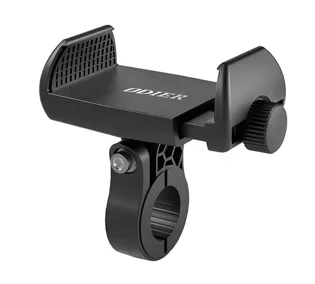
.webp "Magnetic Quick Release")