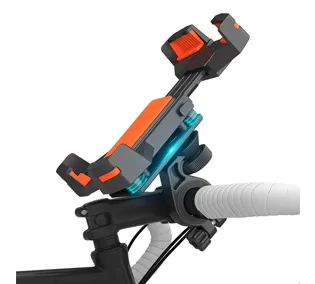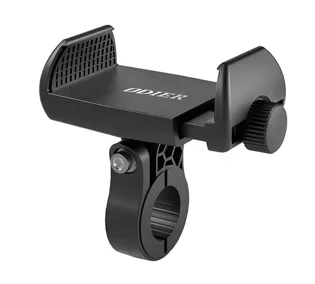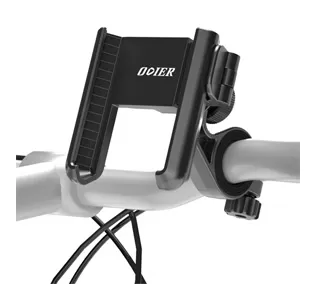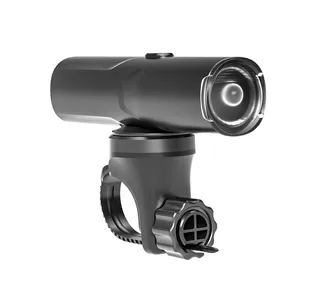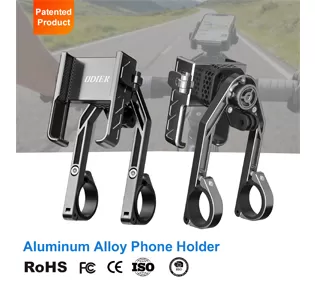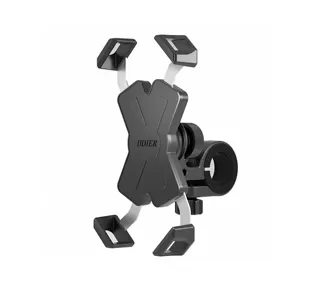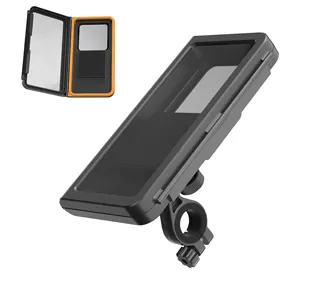

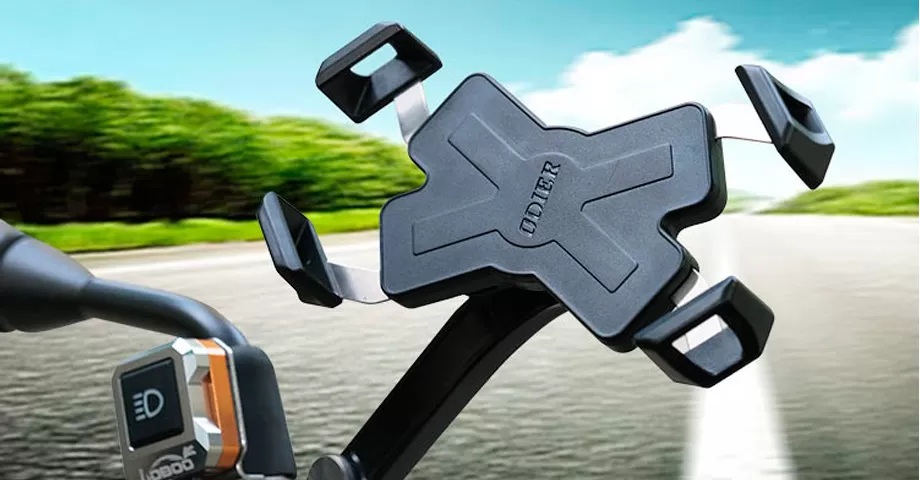
Aluminum bike phone holders offer superior structural strength, long-term durability, and better resistance to vibration and environmental stress. Plastic holders are lighter and more cost-effective but are more prone to fatigue, deformation, and breakage over time—especially under demanding riding conditions. The right choice depends on riding intensity, product positioning, and lifecycle expectations.
Durability in bike phone holders is not just about material hardness—it involves fatigue resistance, vibration absorption, thermal stability, and structural integrity under dynamic loads.
From a product engineering perspective:
Aluminum alloys (commonly 6061 or 7075) provide high strength-to-weight ratios and excellent rigidity
Plastics (ABS, PC, or nylon composites) offer flexibility and impact absorption but lower long-term strength
Understanding these differences is critical when selecting or designing a mount for specific cycling scenarios.
An aluminum alloy phone holder performs exceptionally well in high-stress environments due to:
High tensile strength: Resists deformation under pressure
CNC precision machining: Ensures tight tolerances and stable locking structures
Fatigue resistance: Maintains structural integrity under repeated vibration
Corrosion resistance: Especially when anodized
In long-term testing, aluminum mounts maintain consistent clamping force and alignment even after extended exposure to vibration, making them ideal for road cycling and off-road use.
Plastic mounts do not inherently fail quickly, but their durability depends heavily on material grade and design quality.
Common limitations include:
Material fatigue: Repeated stress can lead to micro-cracks
Creep deformation: Plastic may slowly deform under constant load
Temperature sensitivity: Performance degrades in extreme heat or cold
Weakened joints: Injection-molded connection points are typical failure zones
High-quality reinforced plastics (e.g., glass-filled nylon) improve performance, but they still fall short of aluminum in long-term durability.
This is a nuanced comparison:
Aluminum:
High rigidity → better positional stability
Less energy absorption → may transmit vibration directly
Plastic:
Slight flexibility → absorbs some vibration
Risk of loosening or deformation over time
Industry insight:
For high-frequency vibration (e.g., gravel or MTB), aluminum structures maintain alignment better, while plastic may feel smoother initially but degrade faster.
Aluminum maintains structural stability even under high temperatures
Plastic can soften, especially under direct sunlight
Aluminum remains stable
Plastic may become brittle and prone to cracking
Anodized aluminum resists corrosion effectively
Plastic is inherently corrosion-resistant but may degrade with UV exposure
For outdoor cycling across seasons, aluminum provides more consistent performance.
A common concern is that rigid aluminum structures may scratch or damage devices.
In well-designed products, this is mitigated through:
Silicone or rubber padding
Anti-slip inserts
Shock-absorbing layers
Plastic mounts naturally provide softer contact surfaces, but without proper reinforcement, they may compromise holding force.
Modern aluminum alloys offer excellent strength without excessive weight.
Aluminum mounts: slightly heavier but structurally stronger
Plastic mounts: lighter but less durable
In practical terms, the weight difference is minimal relative to the overall bike setup, while the durability advantage of aluminum is significant.
Aluminum holders generally have a longer service life, particularly under:
Daily commuting
Long-distance cycling
Rough terrain usage
Plastic mounts are suitable for:
Occasional use
Smooth urban environments
Entry-level or budget products
For professional or high-frequency use, aluminum is the more reliable long-term investment.
| Feature | Aluminum Alloy Holder | Plastic Holder |
Structural Strength | Very high | Moderate |
Fatigue Resistance | Excellent | Limited |
Vibration Stability | High | Medium |
Weather Resistance | Excellent | Moderate |
Weight | Medium | Light |
Lifespan | Long-term | Short–medium term |
Cost | Higher | Lower |
For users prioritizing durability, safety, and long-term value, the answer is yes.
An aluminum alloy phone holder reduces the risk of:
Device drops due to structural failure
Performance degradation over time
Frequent replacements
From a cost-performance perspective, aluminum products often deliver better value over their lifecycle despite higher initial pricing.
Both materials are viable, but aluminum offers longer lifespan.
Aluminum is strongly recommended due to vibration resistance and structural strength.
Aluminum provides stability at higher speeds.
Plastic mounts can meet basic needs at lower cost.
Advanced manufacturers enhance plastic performance through:
Reinforced composites (glass fiber, nylon blends)
Structural ribbing to increase strength
UV-resistant coatings
Improved mold design to reduce stress points
However, these improvements increase cost and complexity, narrowing the gap with aluminum products.
They are rigid, but most designs incorporate padding or damping elements to protect the phone.
Yes, especially under frequent vibration or exposure to extreme temperatures.
High-quality anodized aluminum resists corrosion effectively, even in humid or rainy conditions.
Aluminum offers superior longevity and consistent performance.
Material choice directly impacts product durability, user safety, and long-term satisfaction.
An aluminum alloy phone holder stands out as the preferred solution for riders who demand reliability under real-world cycling conditions. Plastic mounts remain a practical option for lightweight, cost-sensitive applications but are less suited for intensive use.
For brands and distributors, positioning aluminum products as premium, performance-oriented solutions—while offering reinforced plastic options for entry-level markets—creates a balanced product portfolio that meets diverse customer needs.