
When upgrading bicycle components, one piece of equipment that many riders tend to overlook is the saddle. Yet riding comfort depends on it more than almost anything else. There is a wide variety of saddles on the market, but fundamentally, the differences come down to three key aspects: rail material, base construction, and padding type. Below, we'll break these down one by one.
The saddle rails connect the saddle to the seatpost. Although they may seem insignificant, they play a critical role in determining weight, strength, and even comfort. Common materials include:
Steel rails: Low cost and highly durable, but relatively heavy; commonly found on entry-level and commuter bikes.
Titanium alloy or chromoly rails: A good balance between weight and strength, with better elasticity; well suited for training and long-distance riding.
Carbon fiber rails: The lightest option with excellent vibration damping, but more expensive and sensitive to proper torque during installation.
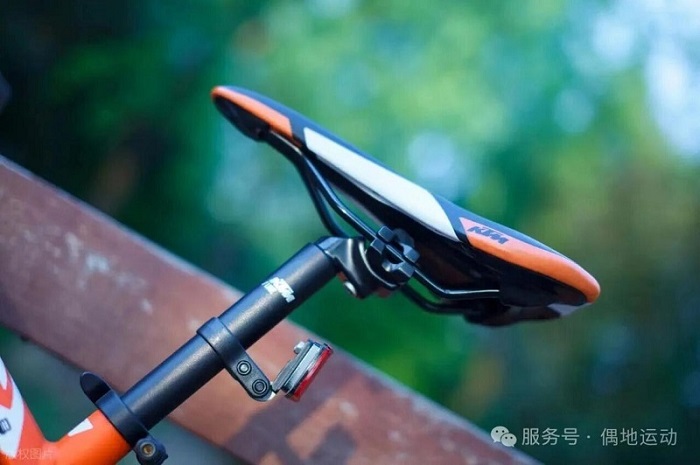
In simple terms, more advanced rail materials are generally lighter, stiffer, and more expensive.
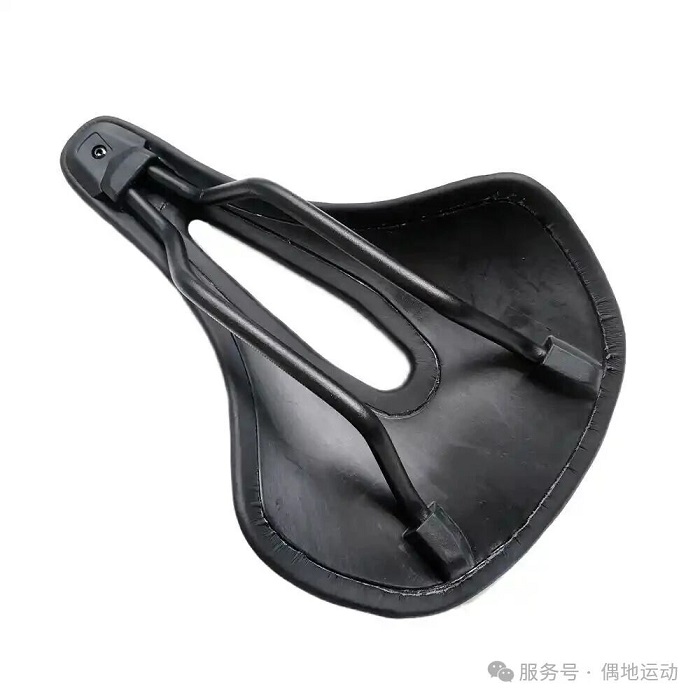
The base forms the main structure of the saddle and has a major impact on support and power transfer. Common types include:
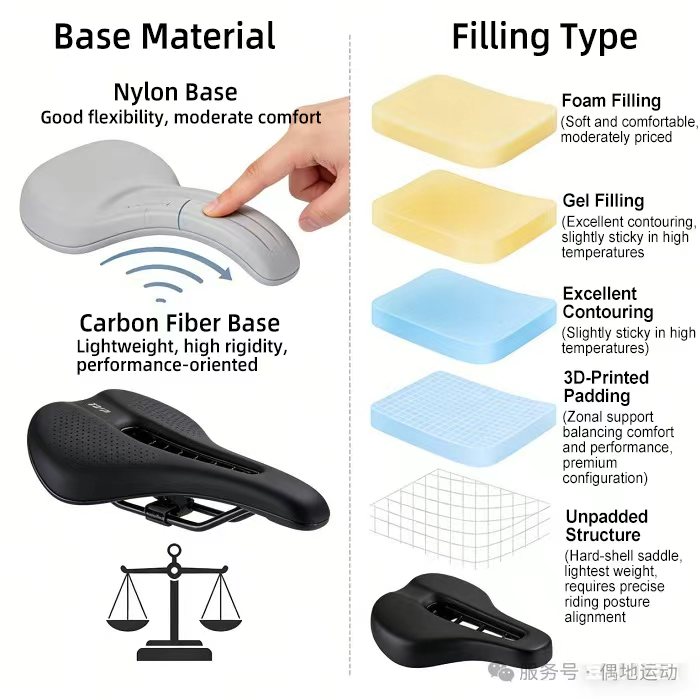
Nylon bases: Offer good flexibility and moderate comfort; the most common choice for many saddles.
Carbon fiber bases: Lighter and significantly stiffer, geared more toward racing and efficiency.
As a general rule: softer bases provide greater comfort, while stiffer bases improve pedaling efficiency.
Padding has the most direct influence on riding comfort. The main types are:
Foam padding: Soft and comfortable, reasonably priced, and suitable for most riding conditions.
Gel padding: Better conformity and pressure distribution, though it may feel slightly sticky in hot conditions.
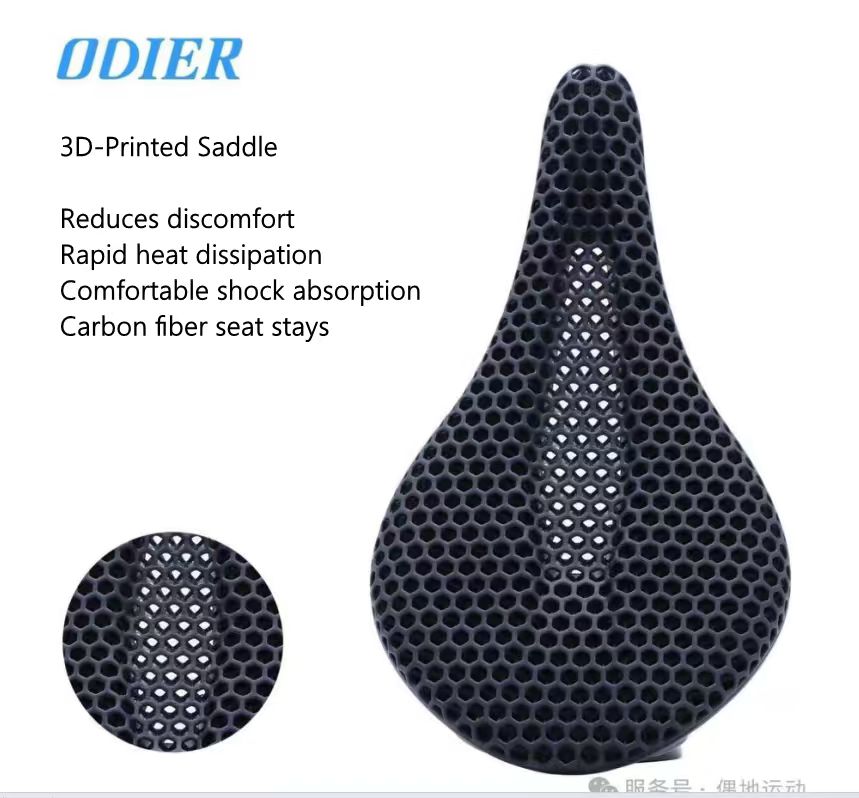
3D-printed padding: Allows zoned support, balancing comfort and performance; considered a high-end option.
No-padding (shell-only) design: Also known as hard-shell saddles; extremely lightweight but demanding in terms of riding posture and individual fit.
Whether a saddle suits you depends more on its shape than on the materials used, including factors such as:
Compatibility with your sit bone width
Presence of a cut-out or relief channel to reduce pressure
Whether your riding position is aggressive
How easily your pelvis tends to rotate or slide forward
Many cases of discomfort stem from an unsuitable saddle shape rather than material choice.
As a reference:
Commuting & leisure riding: Steel or titanium rails + nylon base + foam or gel padding.
Training & long-distance riding: Titanium or carbon rails + stable base structure + high-quality foam or 3D-printed padding.
Racing & climbing: Carbon rails + carbon base + minimal padding or hard-base construction.
Choosing a bicycle saddle is essentially about finding the right balance between comfort, efficiency, and weight. Whenever possible, test riding is far more valuable than relying solely on specifications. If you're willing to share your riding habits, sit bone width, and whether you experience numbness or discomfort, we can help you analyze which type of saddle may suit you best.